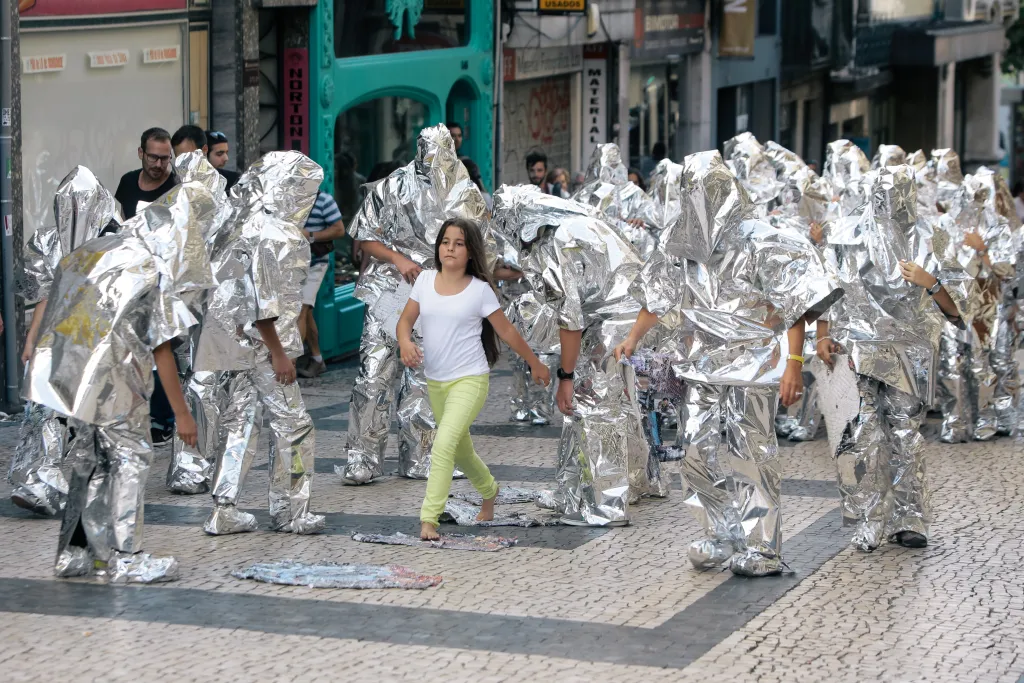
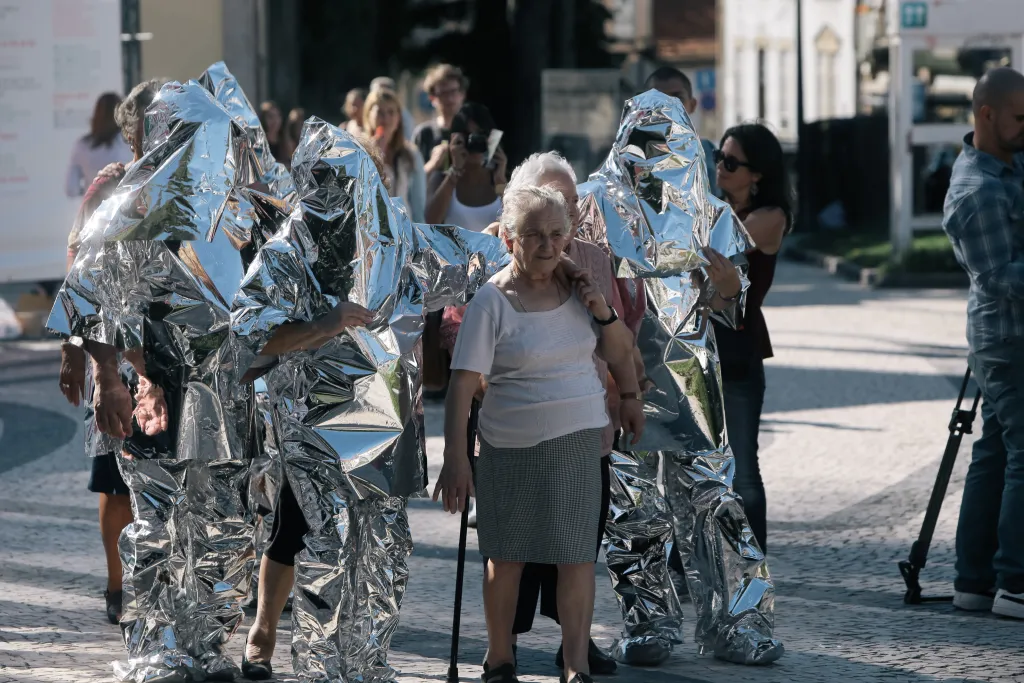

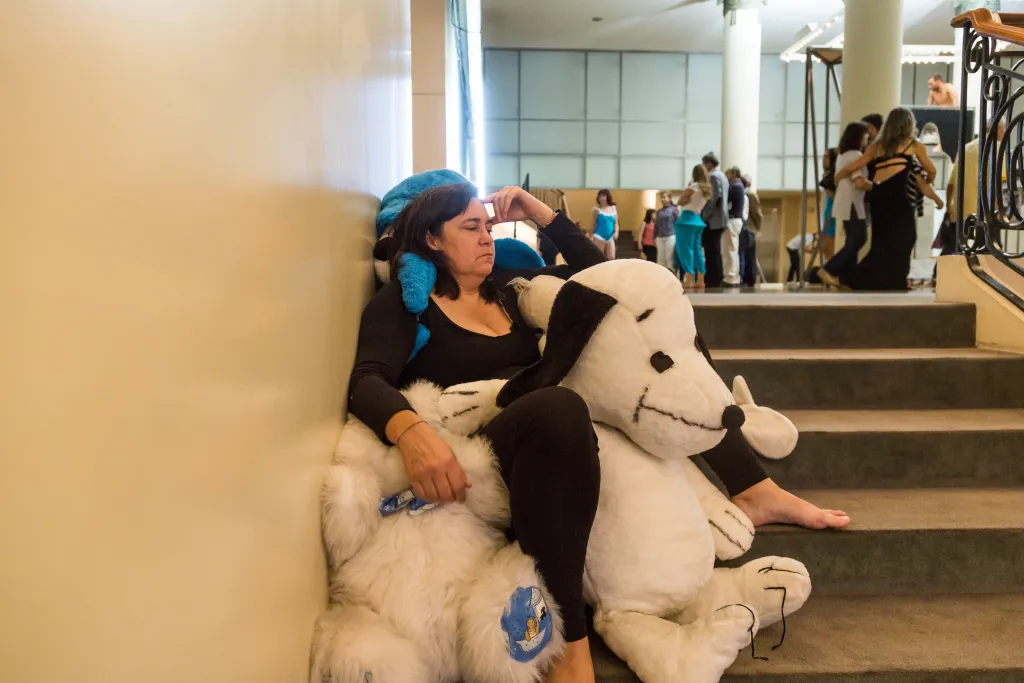
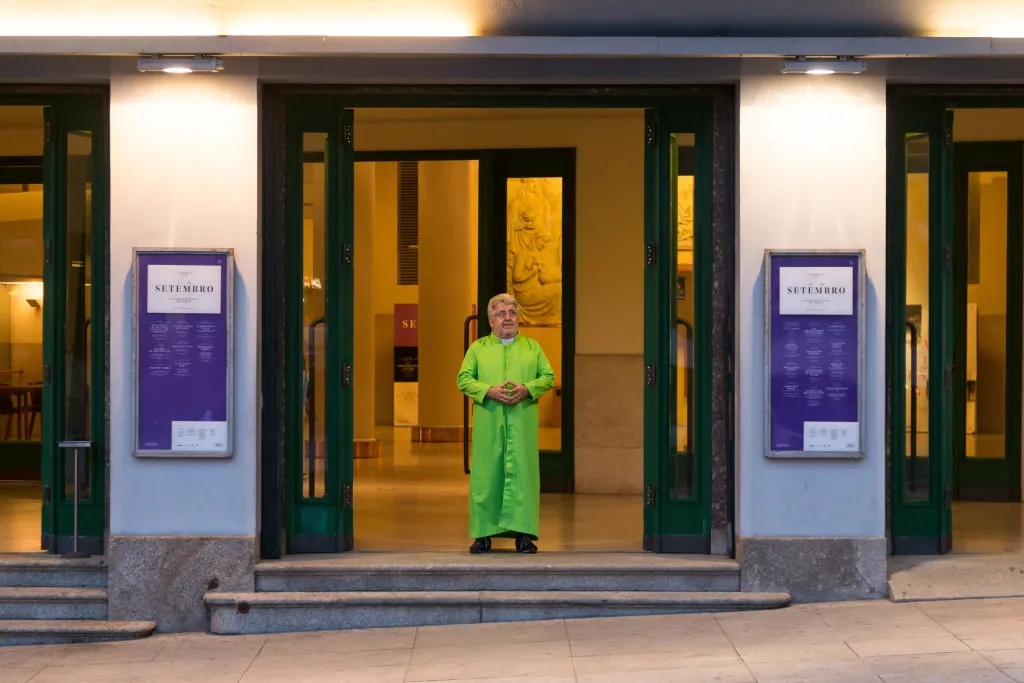
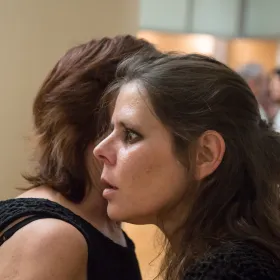
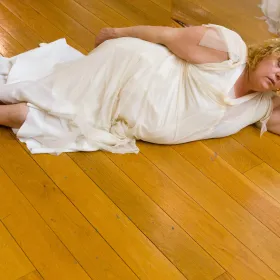
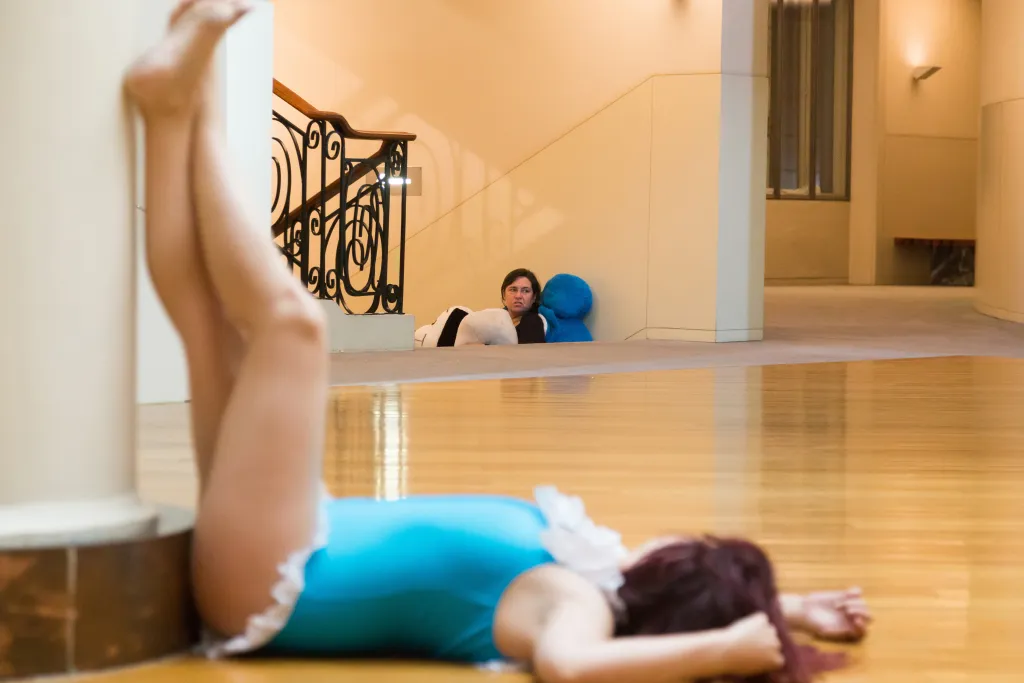
Tuti Momo unfolded over three months in 2015 at Teatro Municipal do Porto (Teatro Rivoli) and through the surrounding streets. The project was an immersive, durational installation composed of mythical and abstract characters whose improvised, behaviour-driven interactions invited pedestrians, guests, and collaborators into a shared space of collective performance and reflection.
Rather than presenting fixed identities, Tuti Momo treated identity as a constellation of roles in flux, mobilised through spectacle and social encounter. Developed across performance, video, photography, and sculpture, the project marked a pivotal shift in the artist’s practice toward immersive, socially engaged formats.
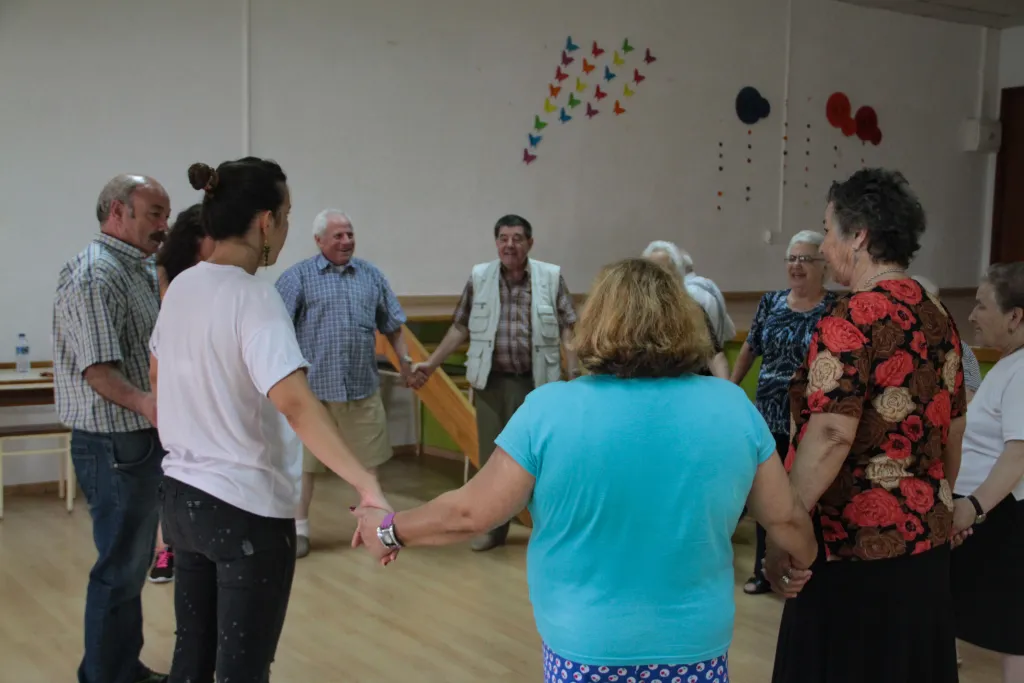
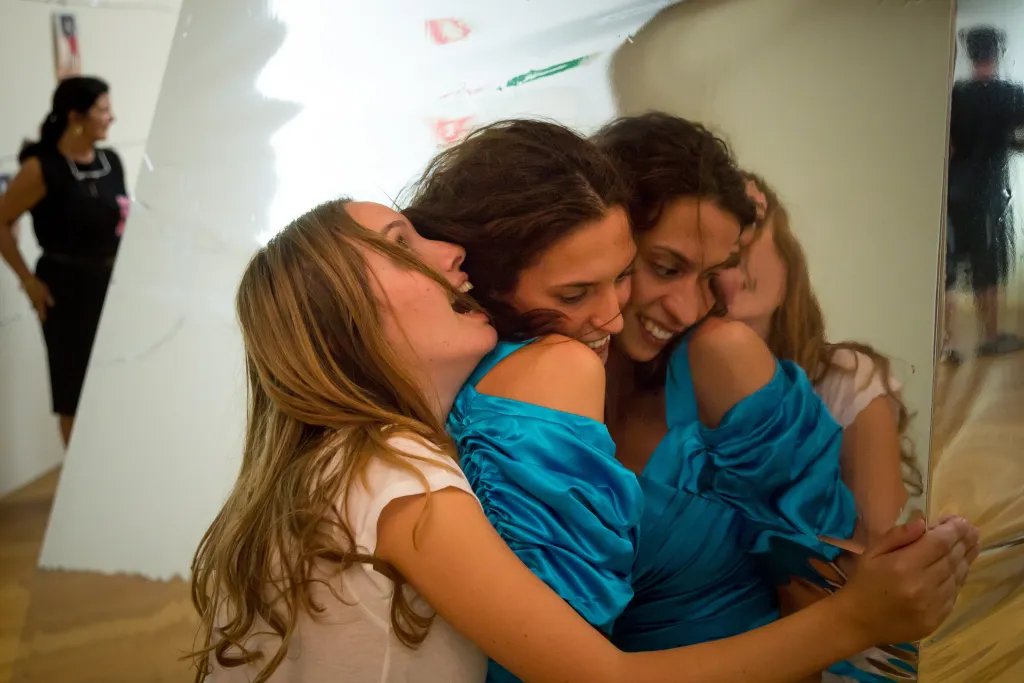
Workshops were integral to the development of Tuti Momo. In search of characters and participants for the project, the artist led sessions with groups of diverse ages and backgrounds, exploring body language, behaviour, and embodiment.
These workshops functioned as a core creative tool, allowing characters to emerge through collective exploration rather than predefined roles. Participants became active contributors to the project’s expanding universe, shaping both its narrative and physical presence.
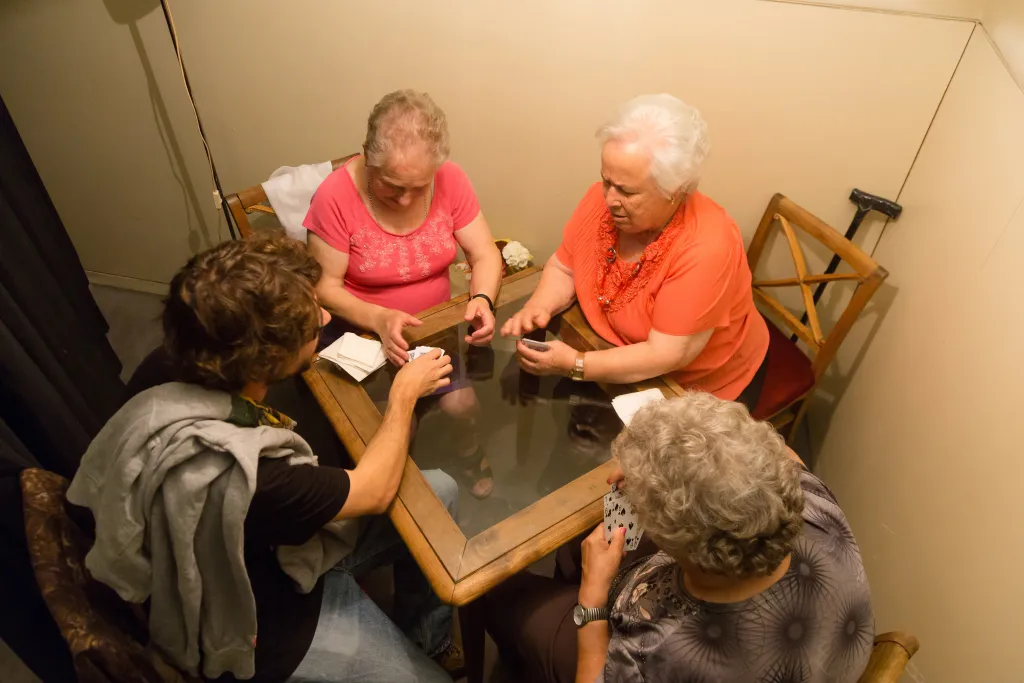
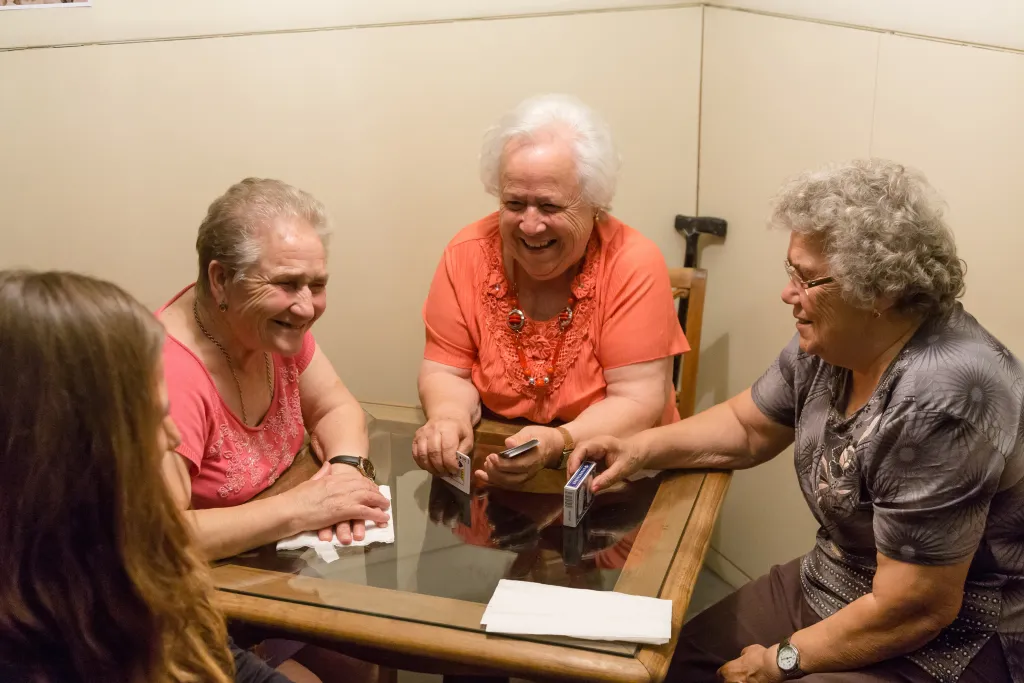
The project opened with a public procession featuring 47 Crystal Beings, the Five Old Ladies, and the Inner Child, crossing from the Mota Galiza complex through the Crystal Palace gardens to D. João IV Square. Costumes were torn at the end, and the material was re-collected — the first act toward creating the Invisible Monument.
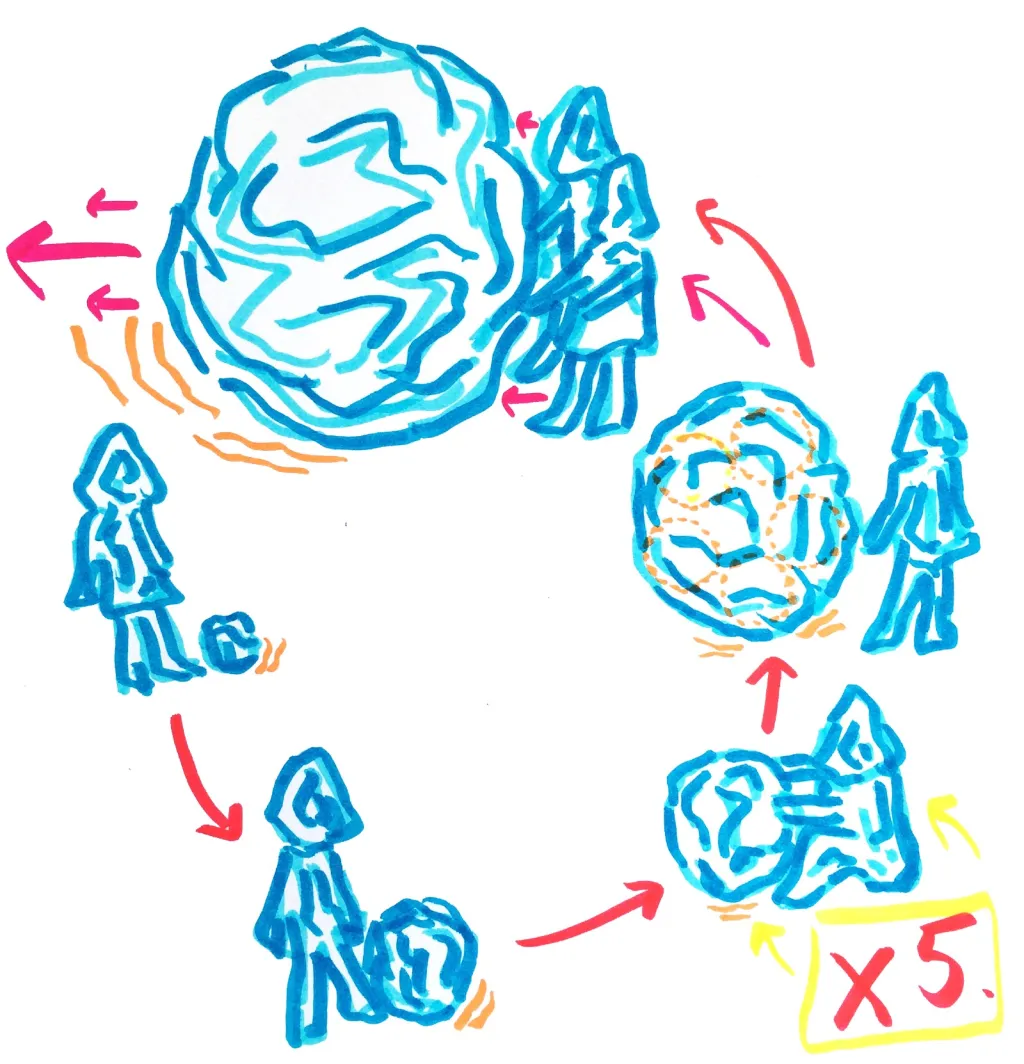
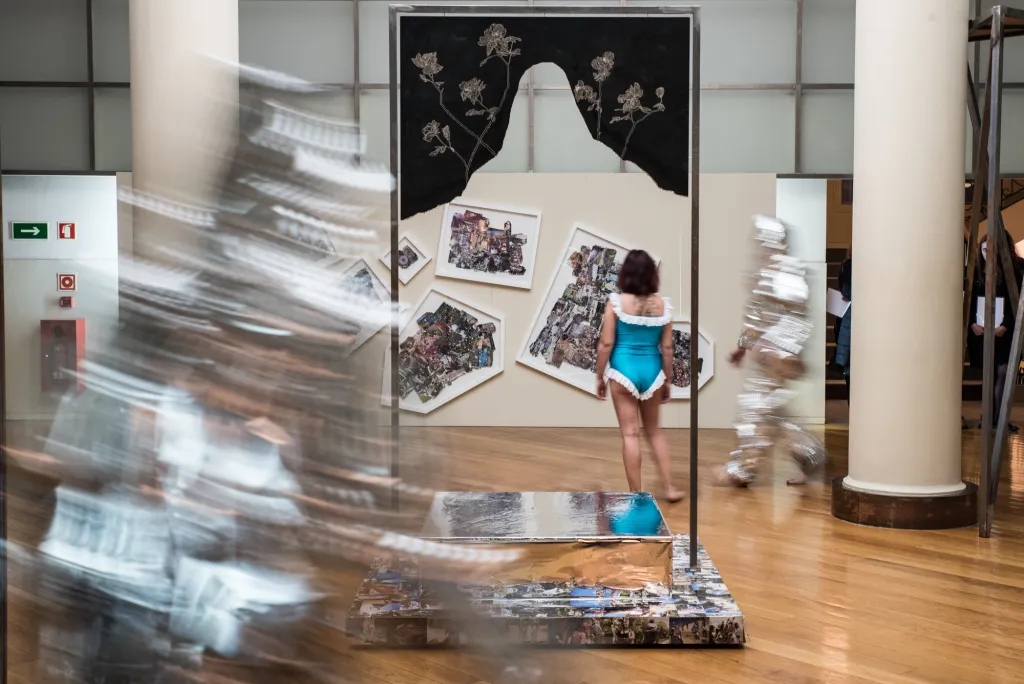
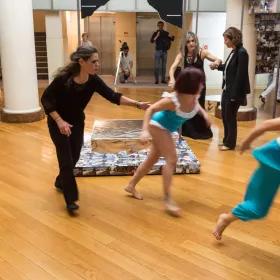
Over subsequent days, this Monument developed ritually — spheres manoeuvred by participants combined into a single larger form. Its construction became a visible public performance, dissolving borders between performer and spectator.
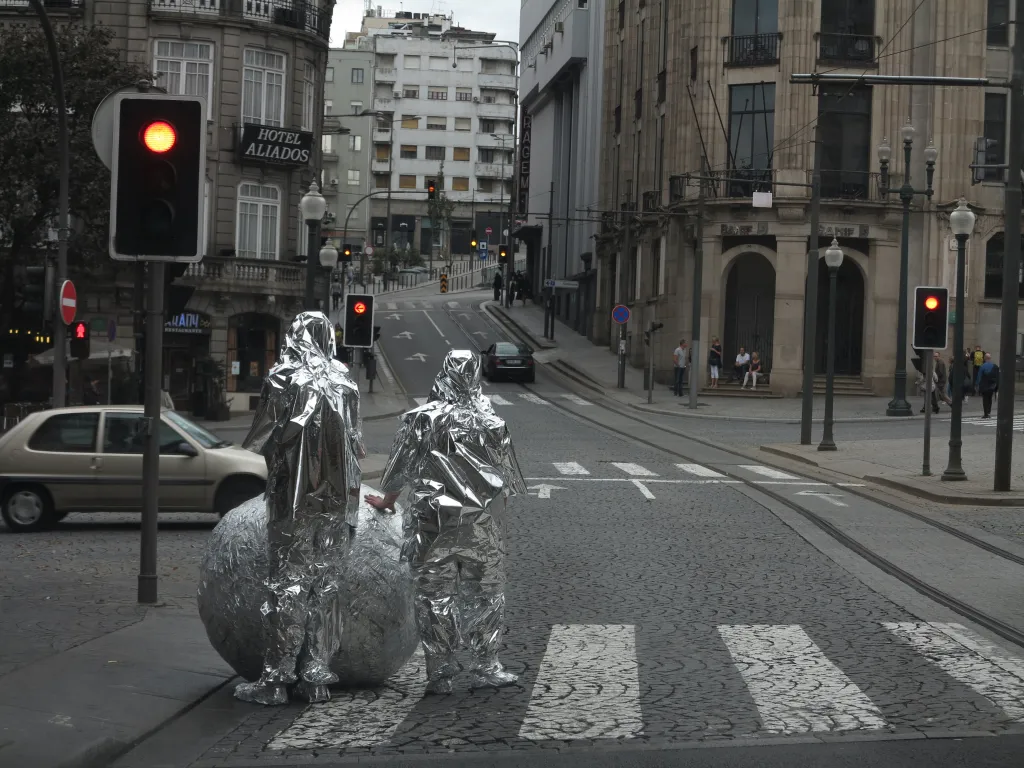
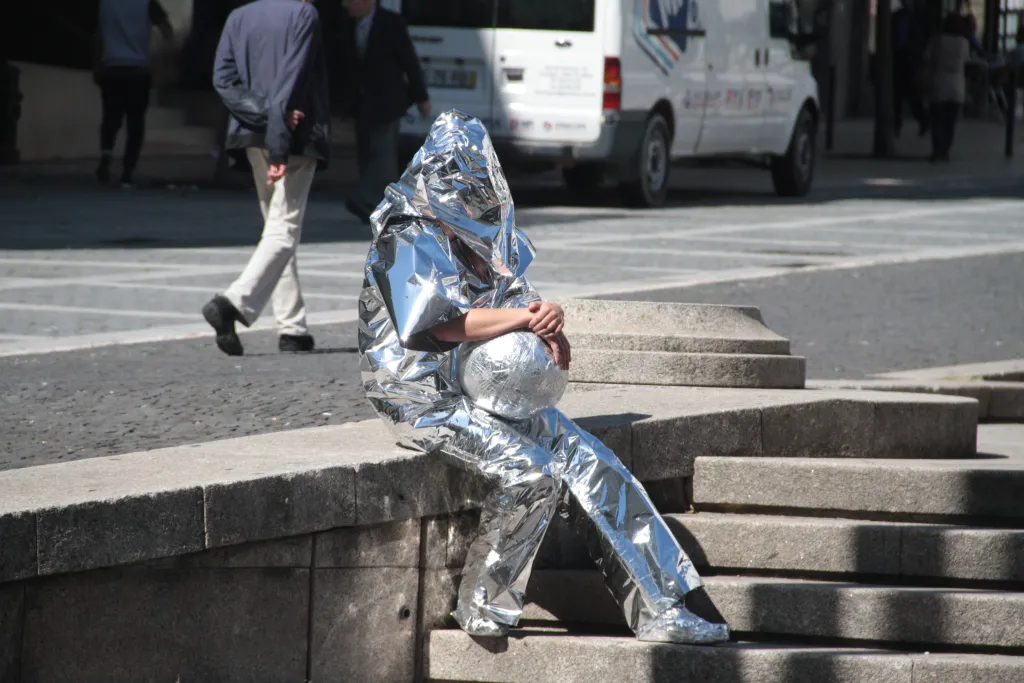
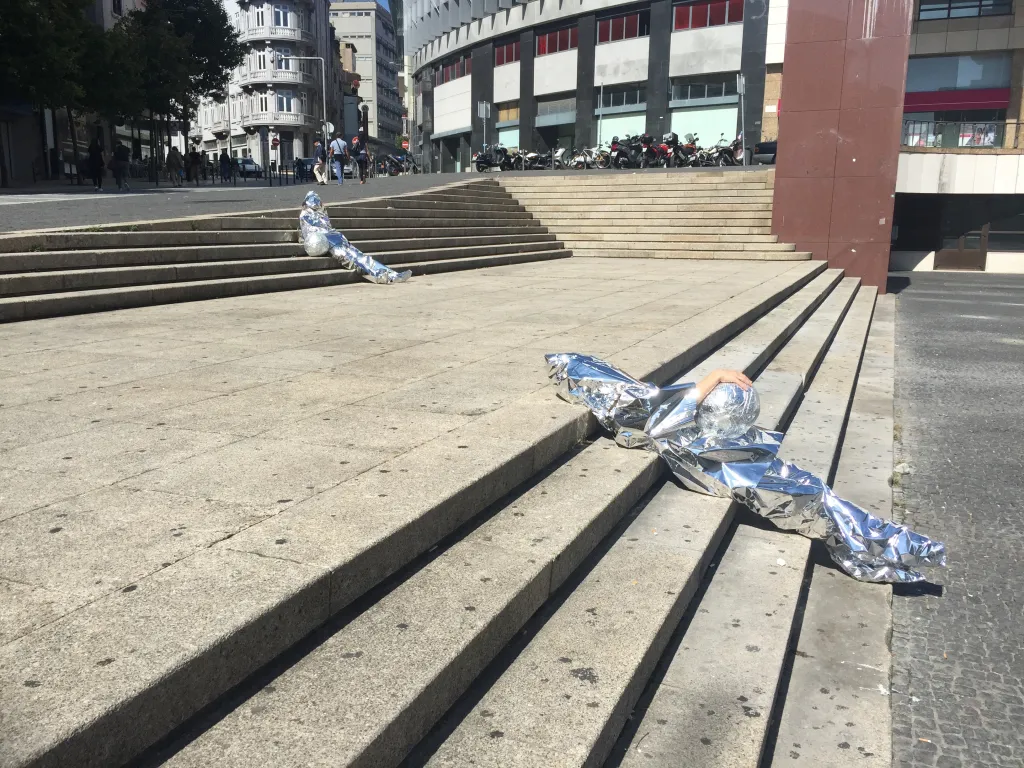

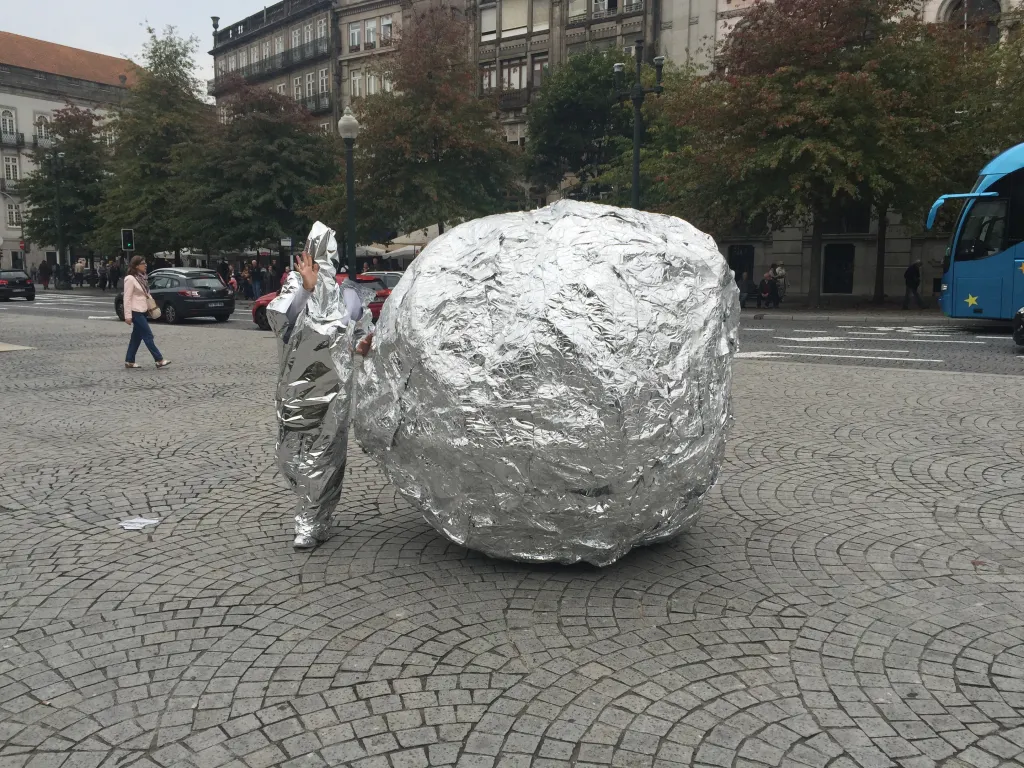
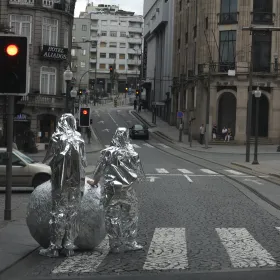

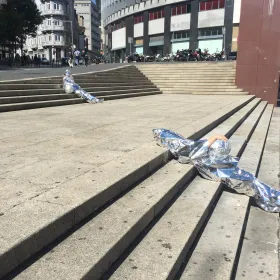

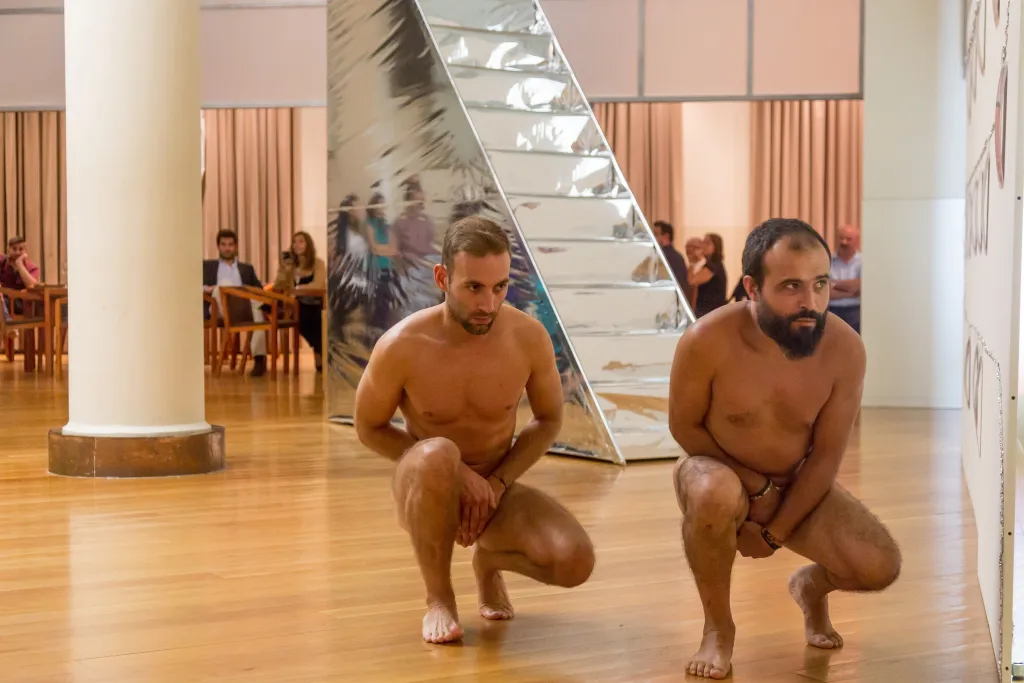
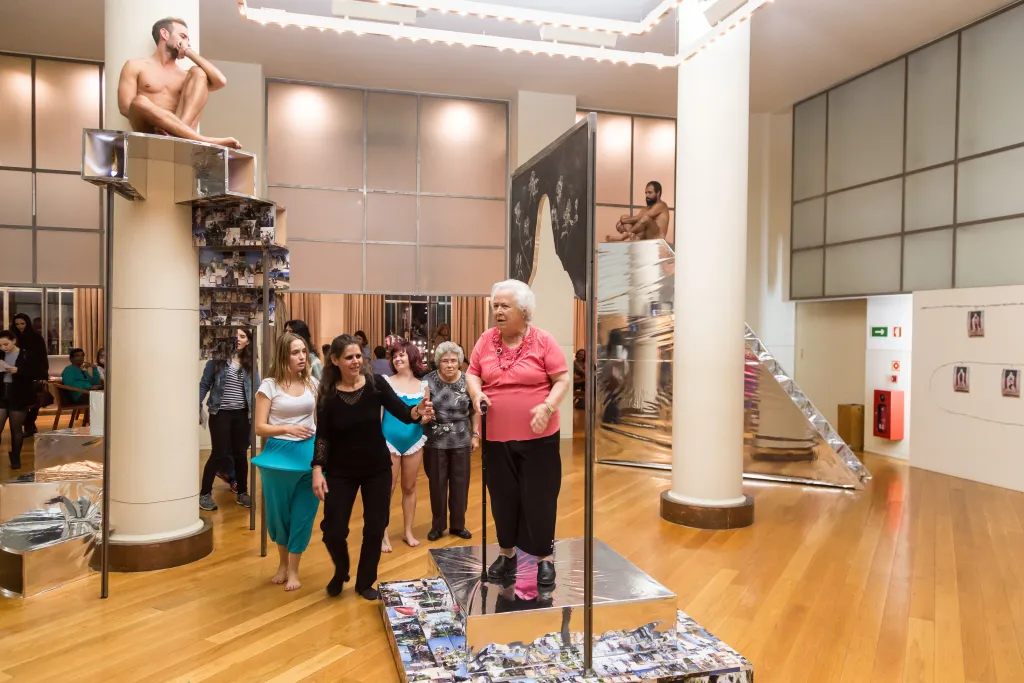
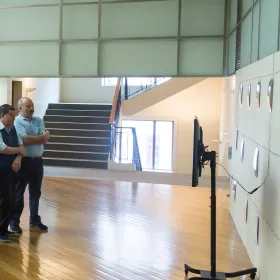
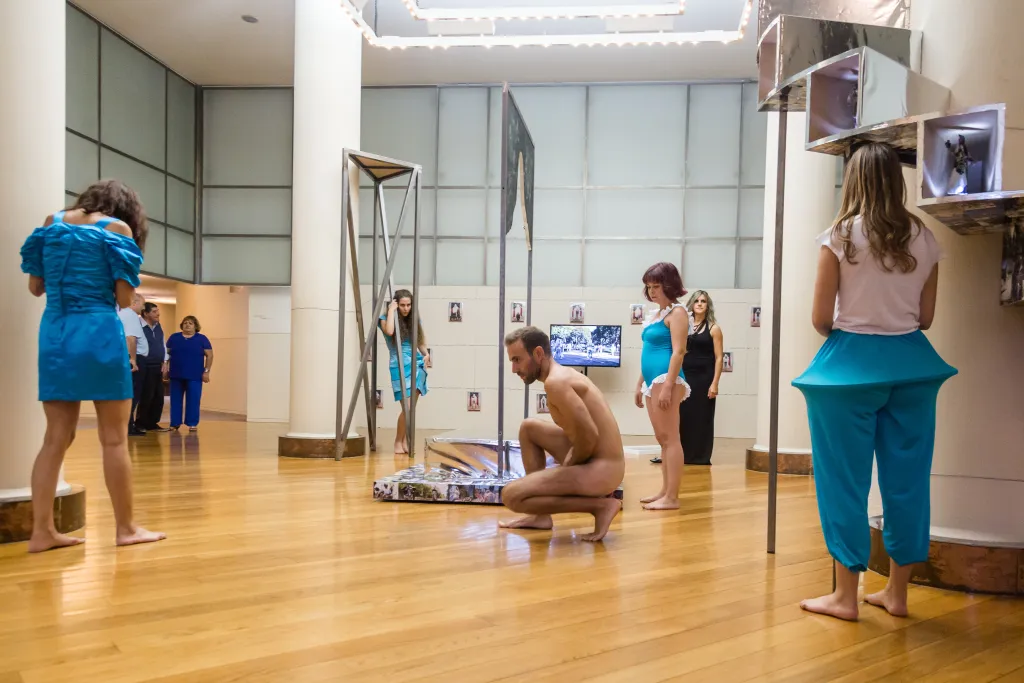
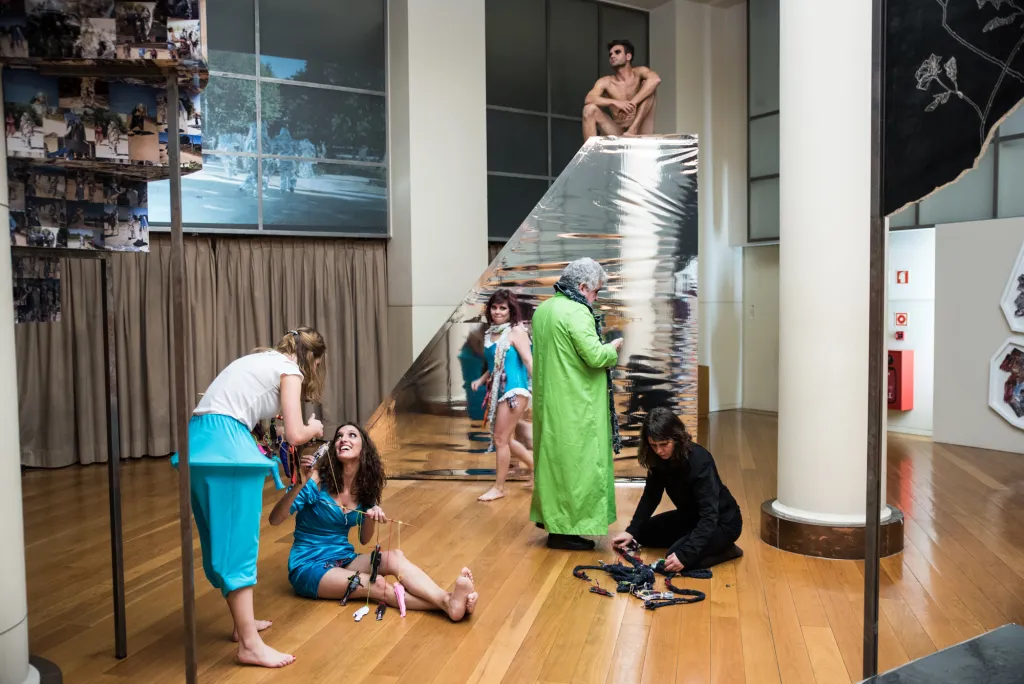
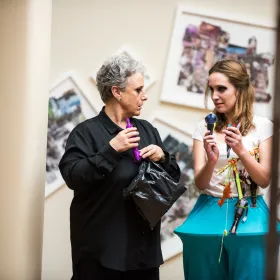
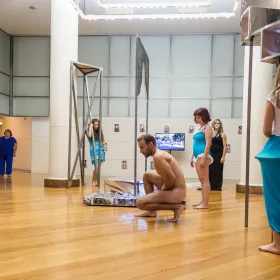
A participatory experience into human behaviour and the dominant archetypes of the local psyche, this phase transformed the theatre foyer into an immersive environment activated through ongoing performance.
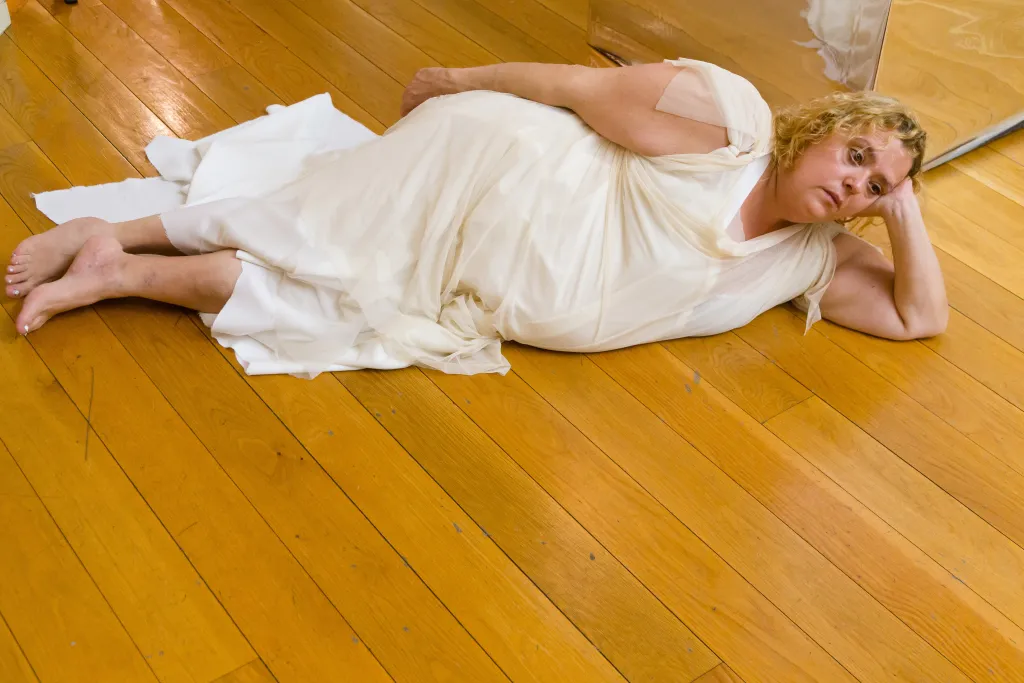
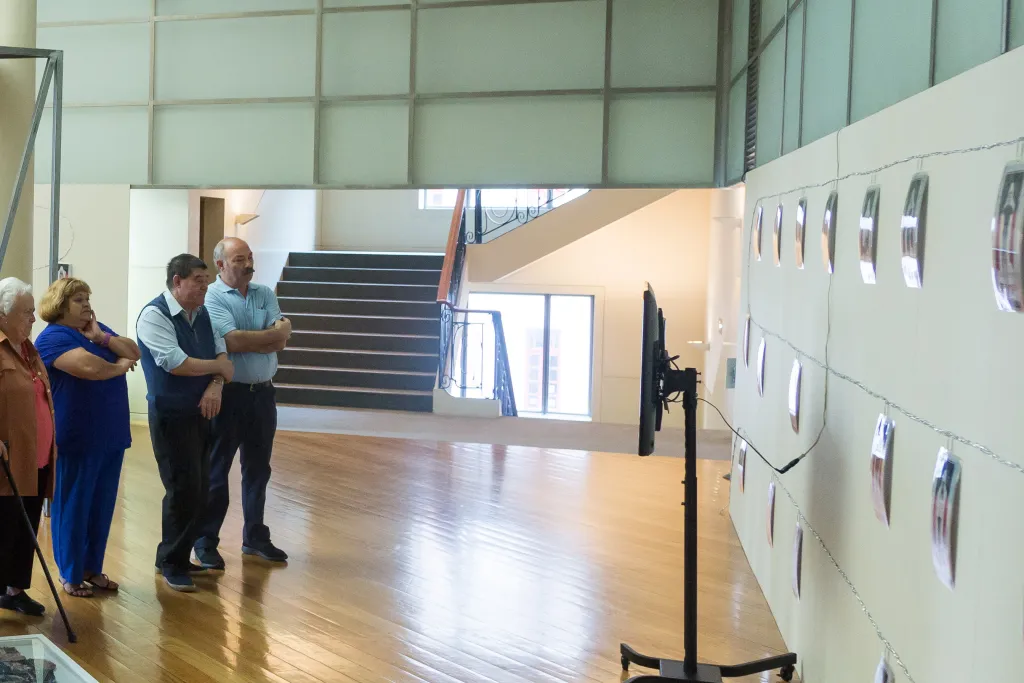
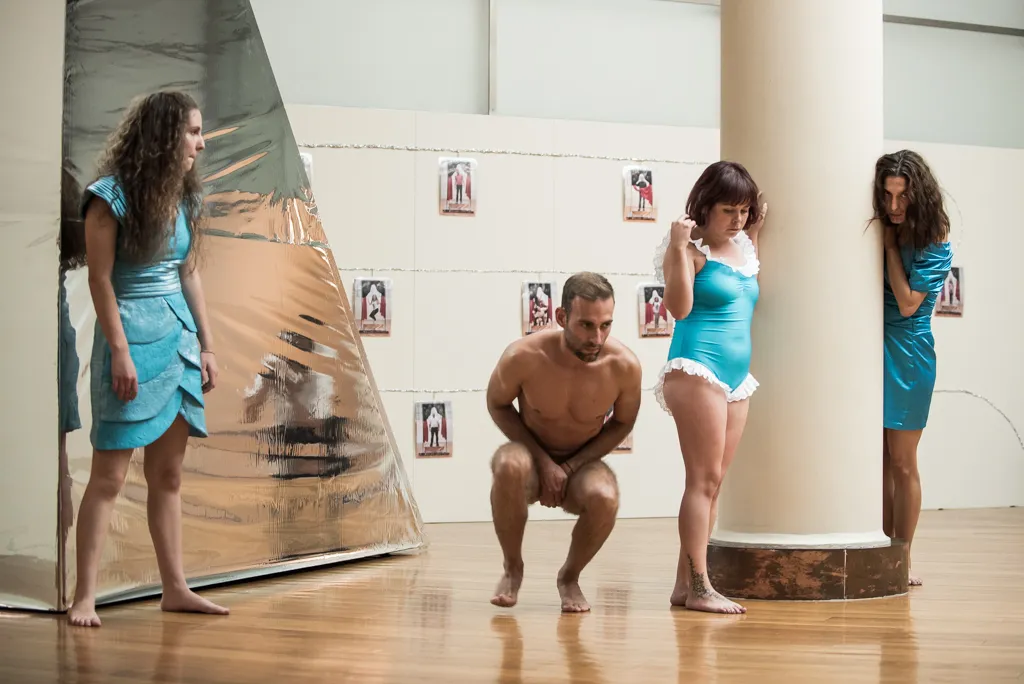
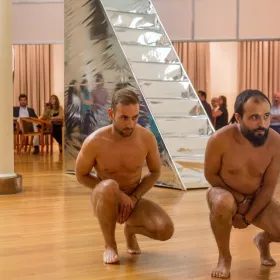
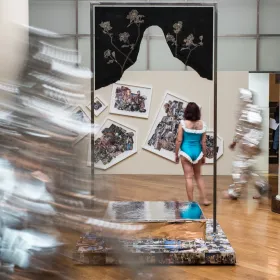
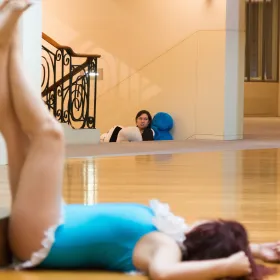
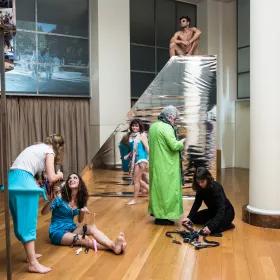
Multiple works and materials were installed throughout the foyer and corridors of the third floor, with performances taking place two to three times per week — sometimes extending beyond the building into public space. Each week, performers transformed and expanded the installation, allowing it to evolve continuously.
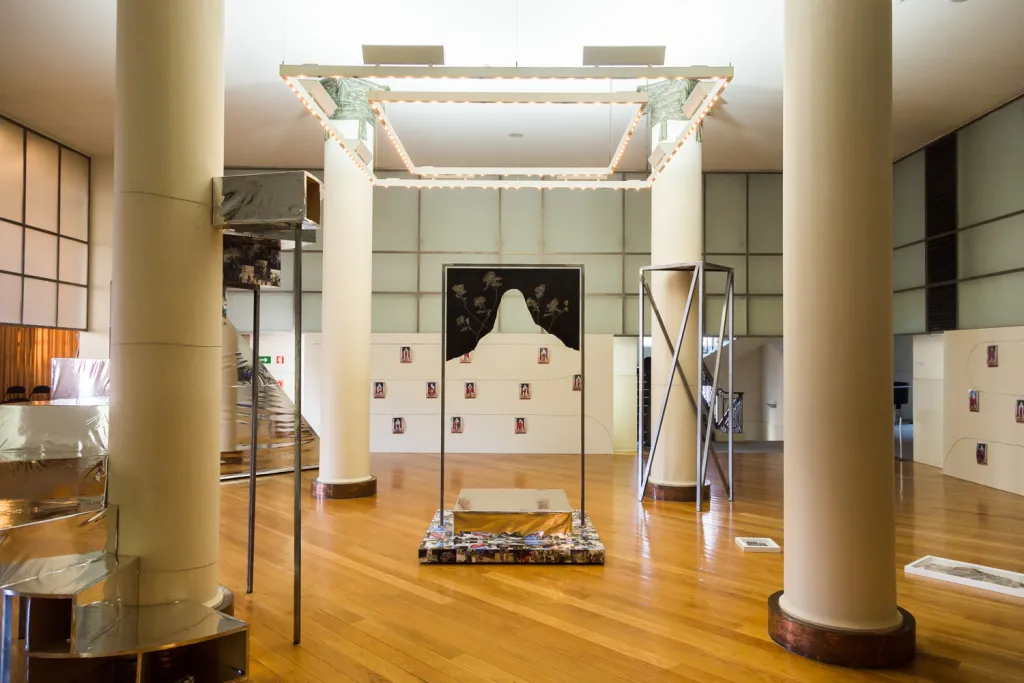
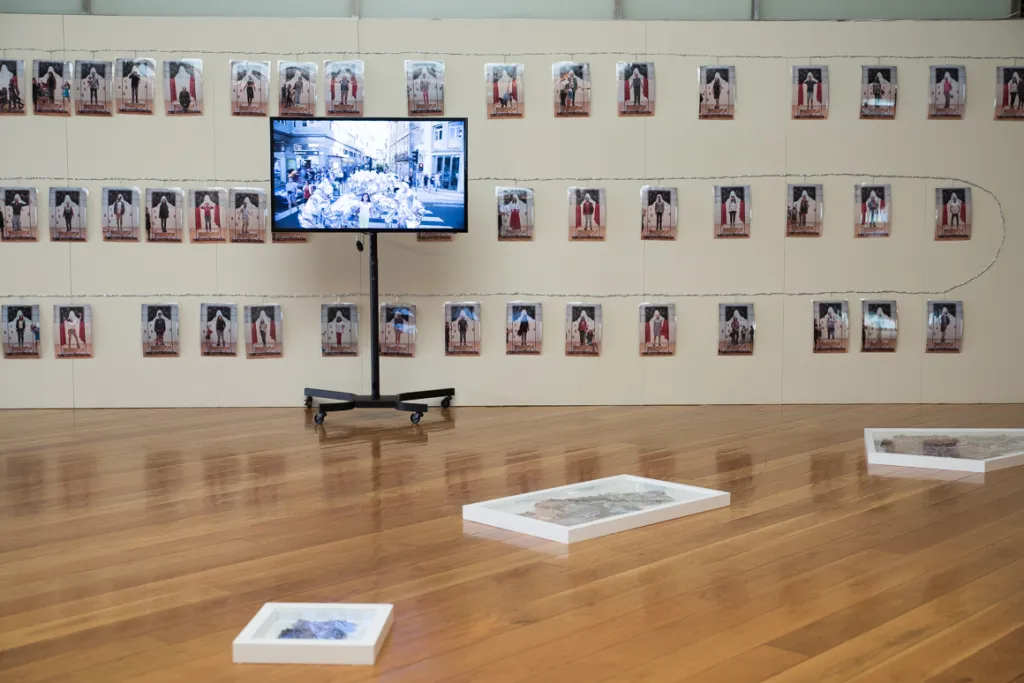
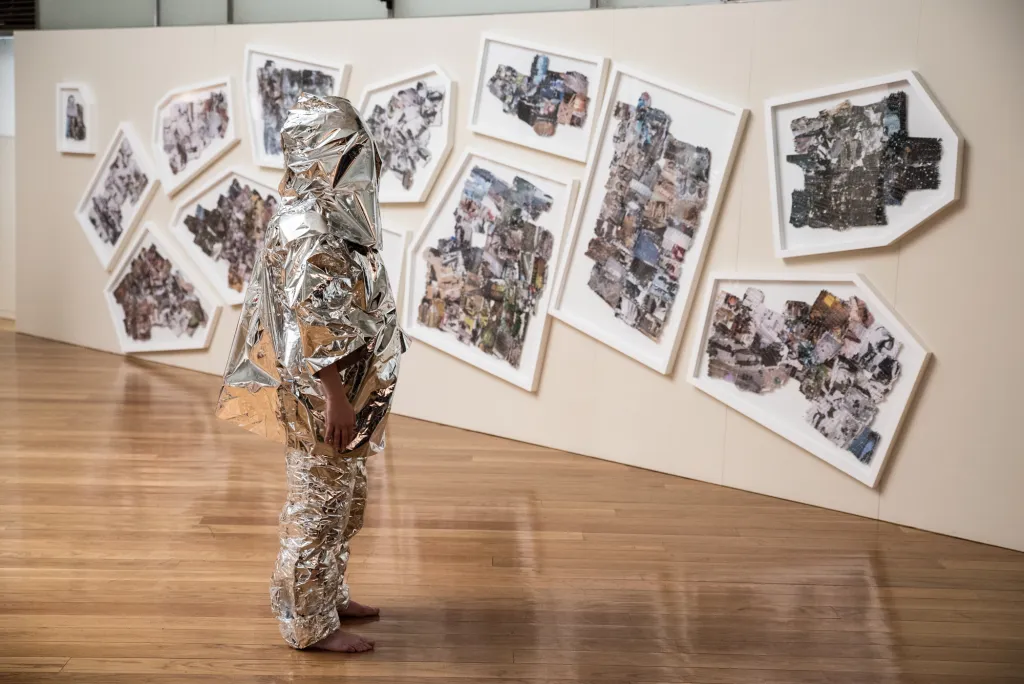
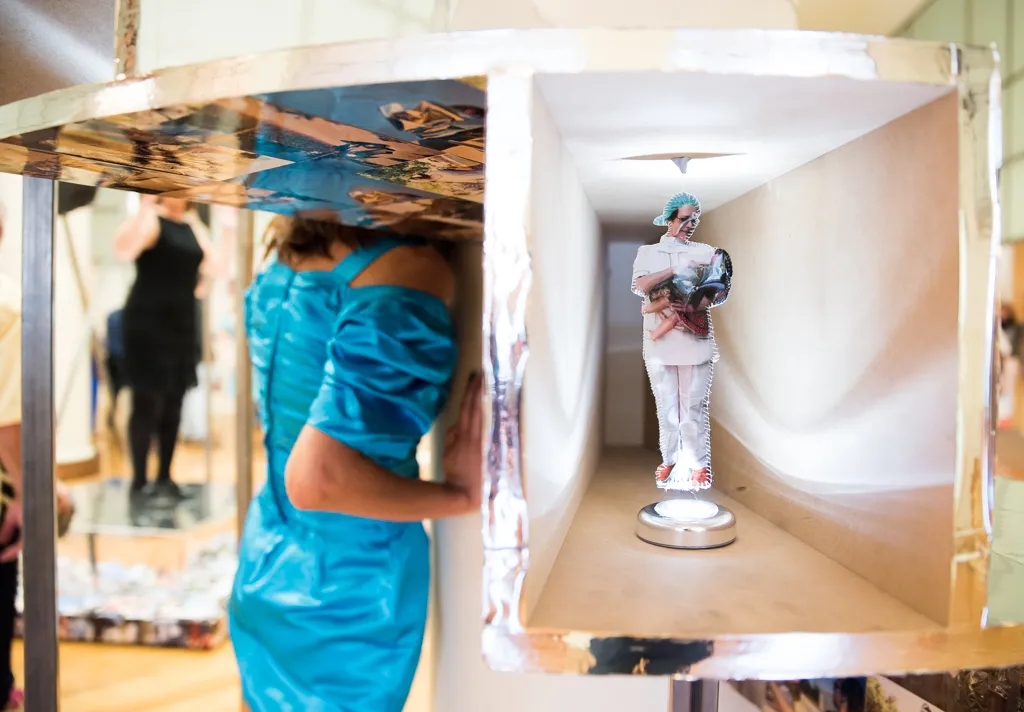
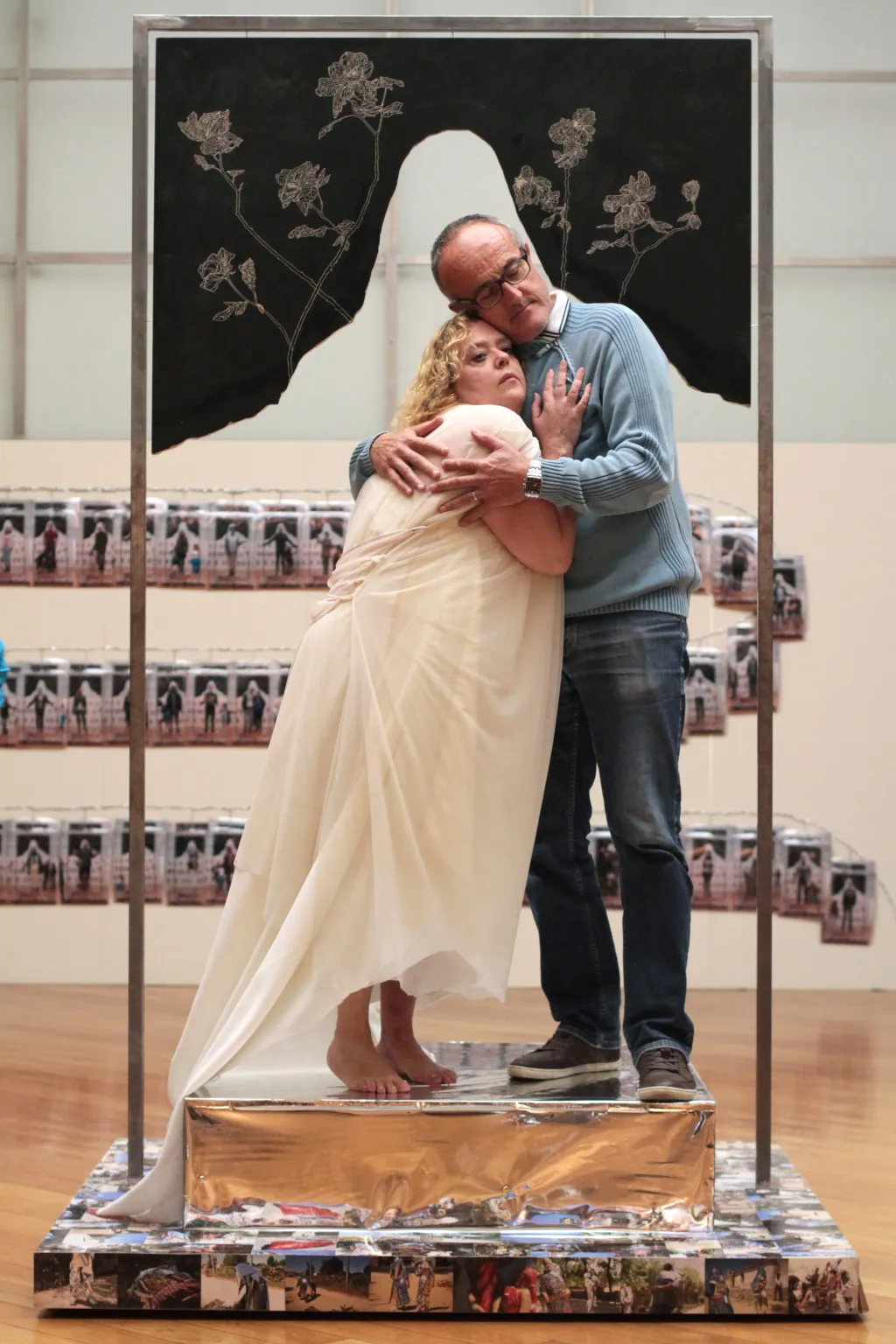
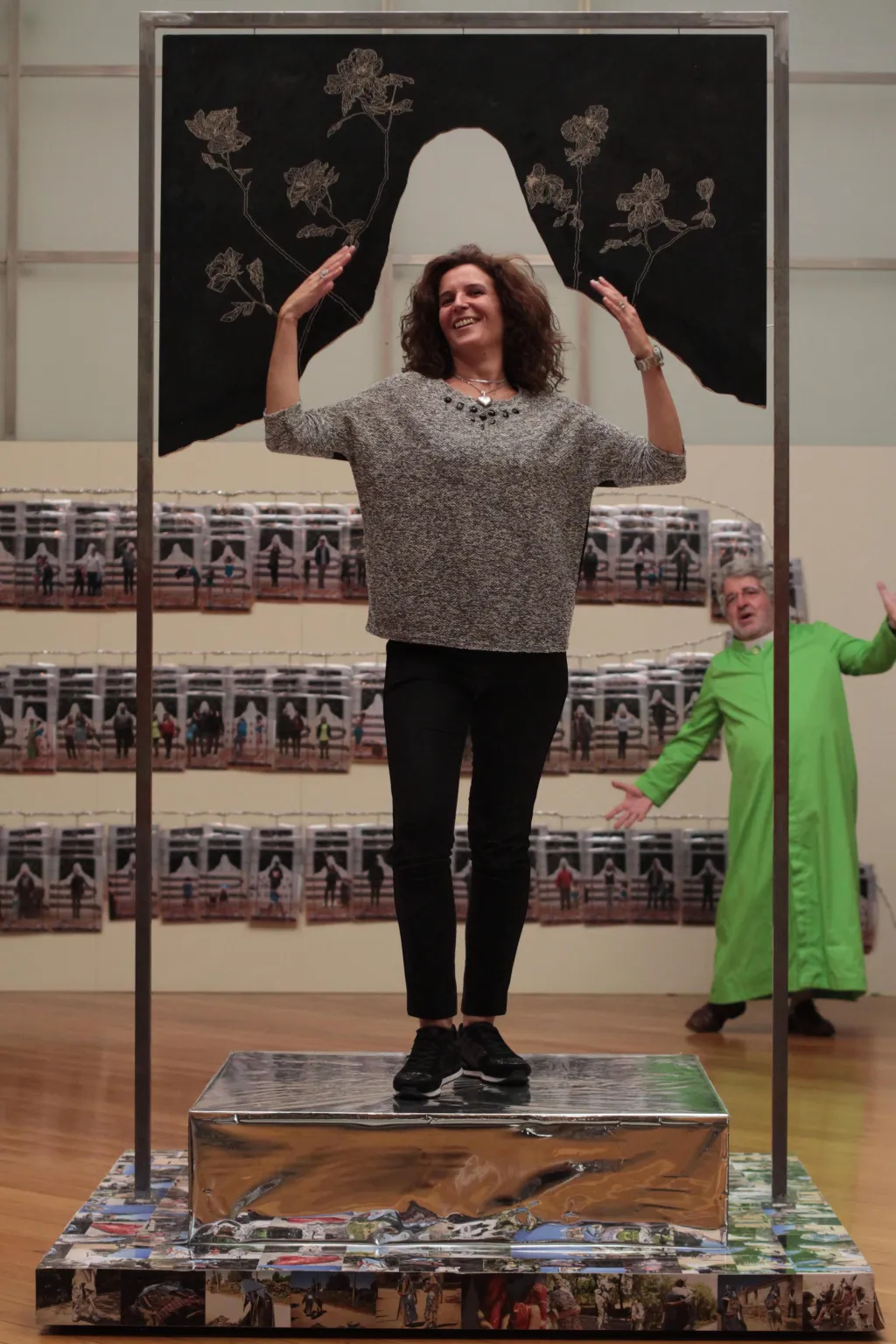
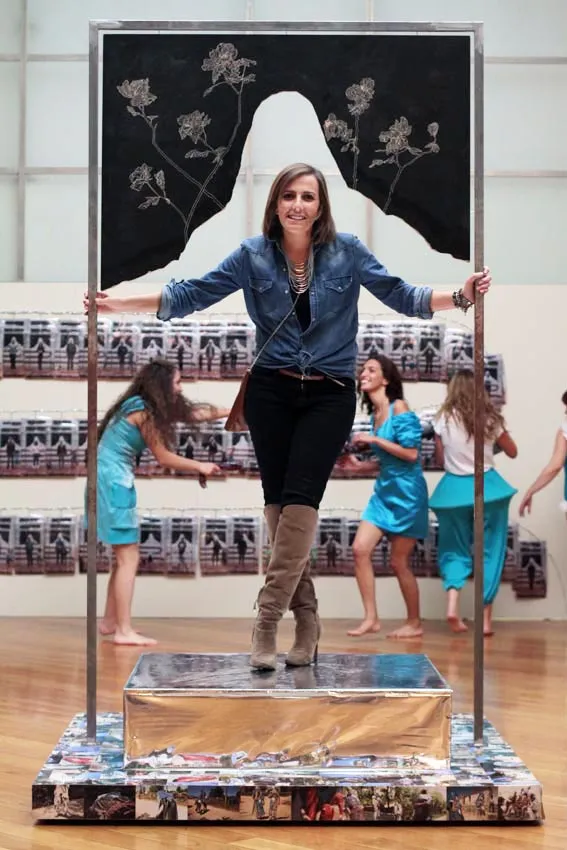
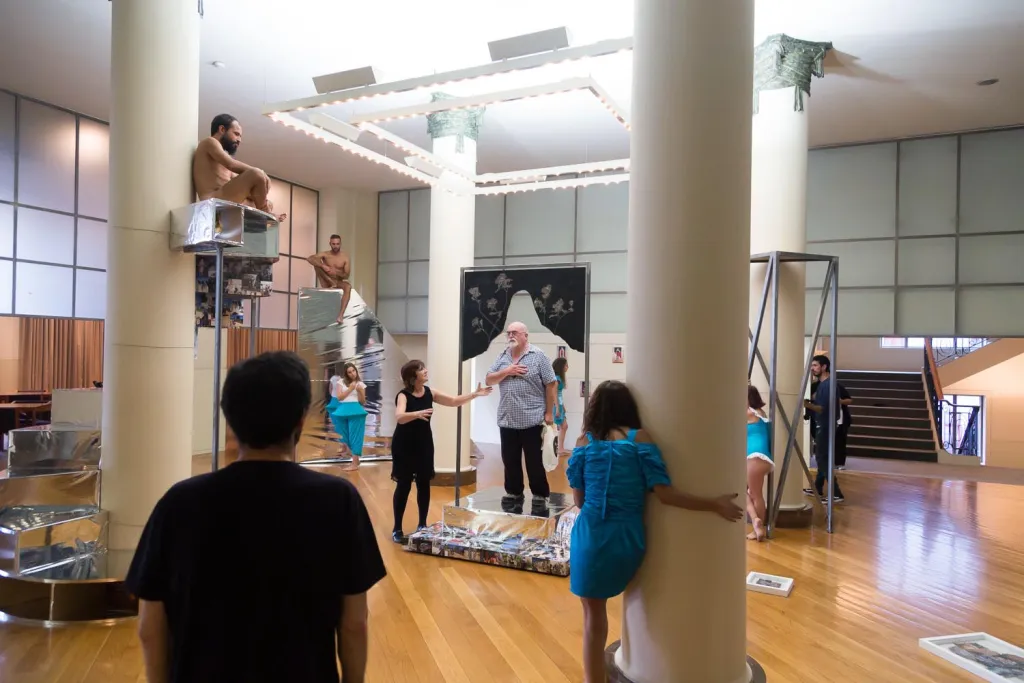
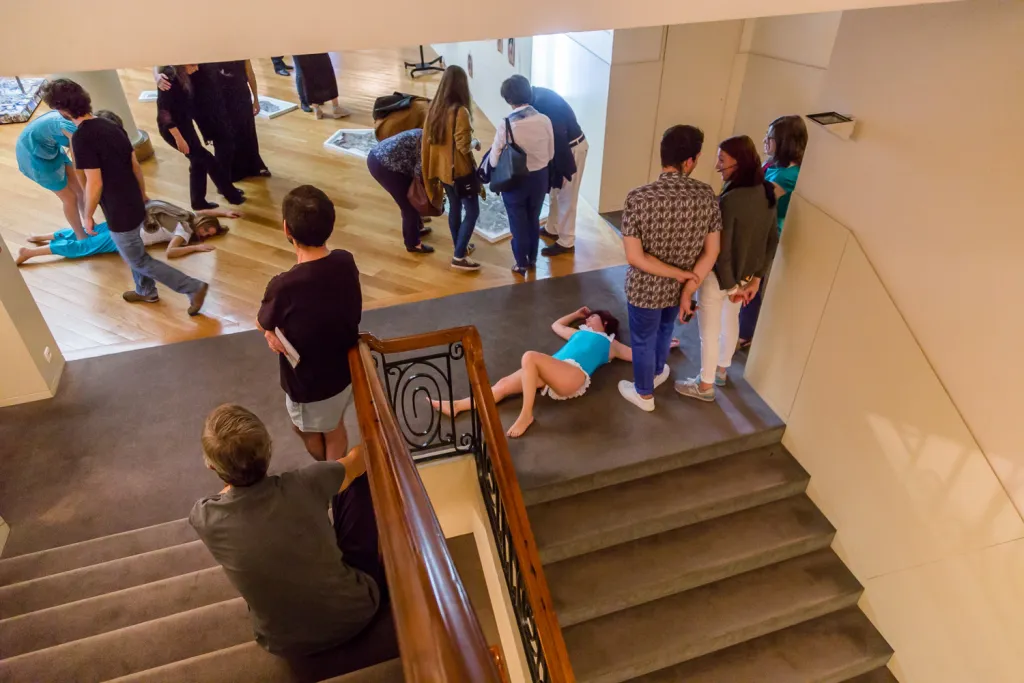
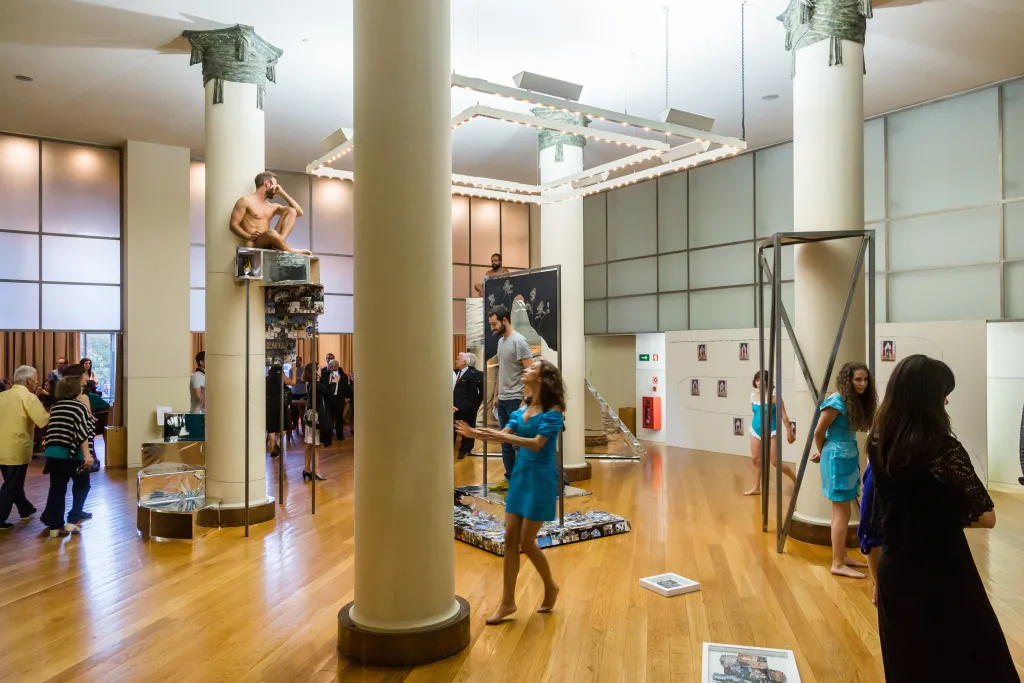
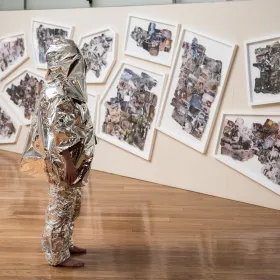
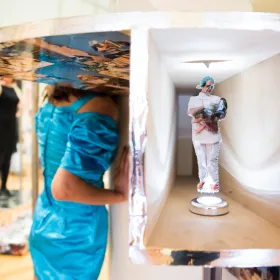
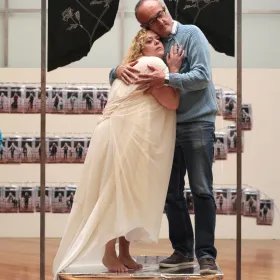
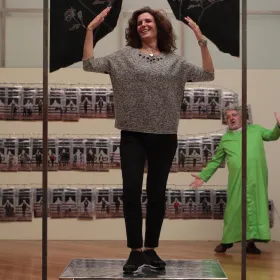
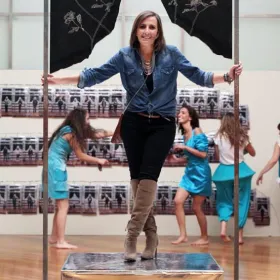
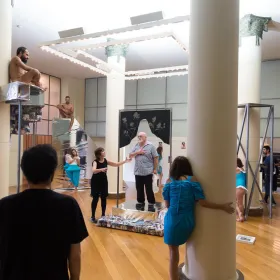
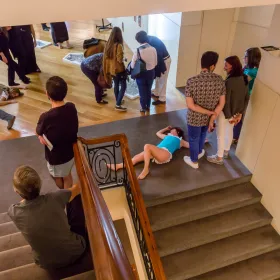
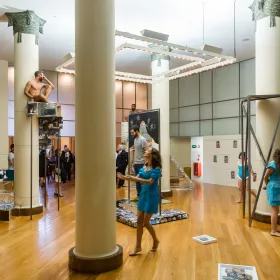
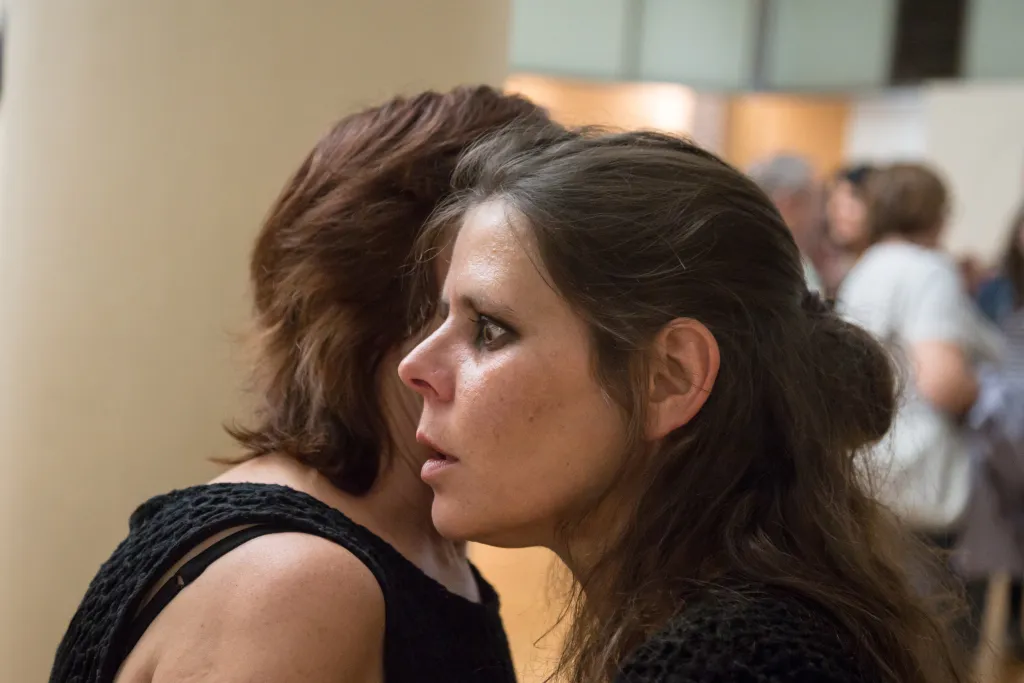
In Tuti Momo, characters function as hyper personas constructed from personality traits and behavioural codes brought forward during the workshops.
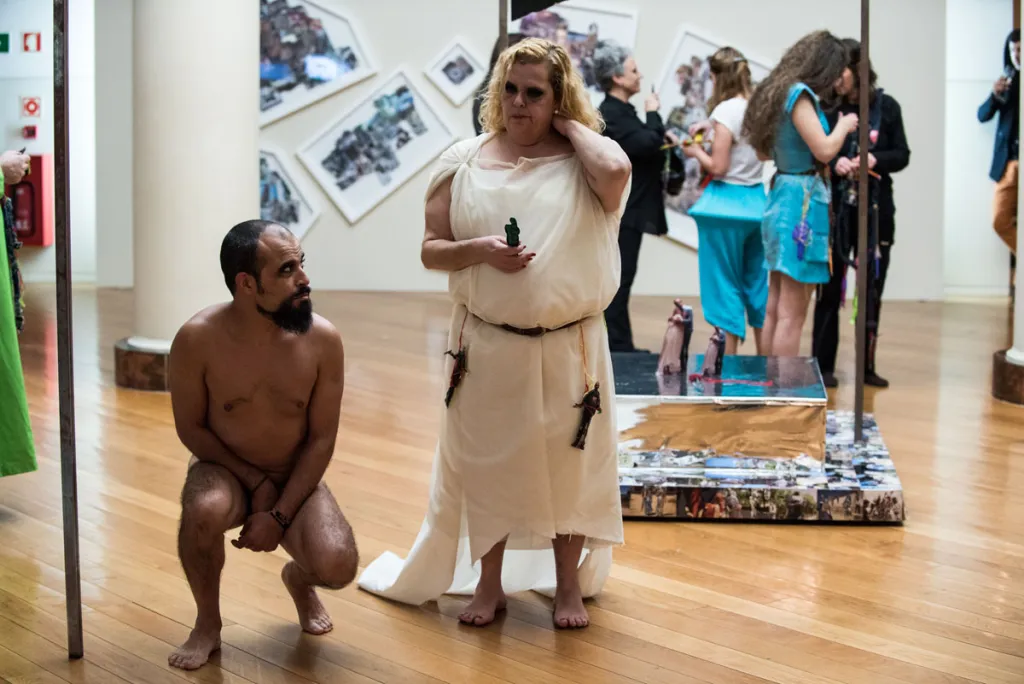
The title of the work refers to Tuti Momo, a real cult figure associated with extreme longevity, reverence, and belief. Around this central presence, a universe of characters emerges, each embodying particular societal functions: caretakers, hustlers, youth, neurotics, peacemakers, traders, observers. These figures do not operate psychologically, but relationally — defined by how they circulate, interact, and are perceived by others.
Rather than representing individual identities, the characters in Tuti Momo expose how society assigns meaning, authority, and expectation to certain personas. As performers and visitors move between roles — sometimes knowingly, sometimes unconsciously — the work reveals identity as a negotiated space shaped by projection, ritual, and collective belief.


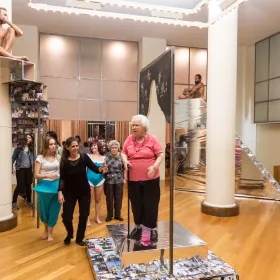
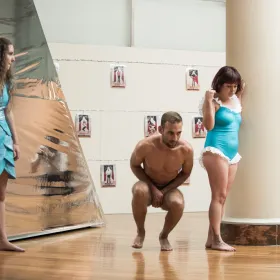
At the heart of Tuti Momo is an ideological economy constructed around the idea of belief. The project reimagines the figure of Tuti Momo not as a person but as a belief system, where devotion, attention, and interaction become convertible resources — metaphorically referred to as souls.
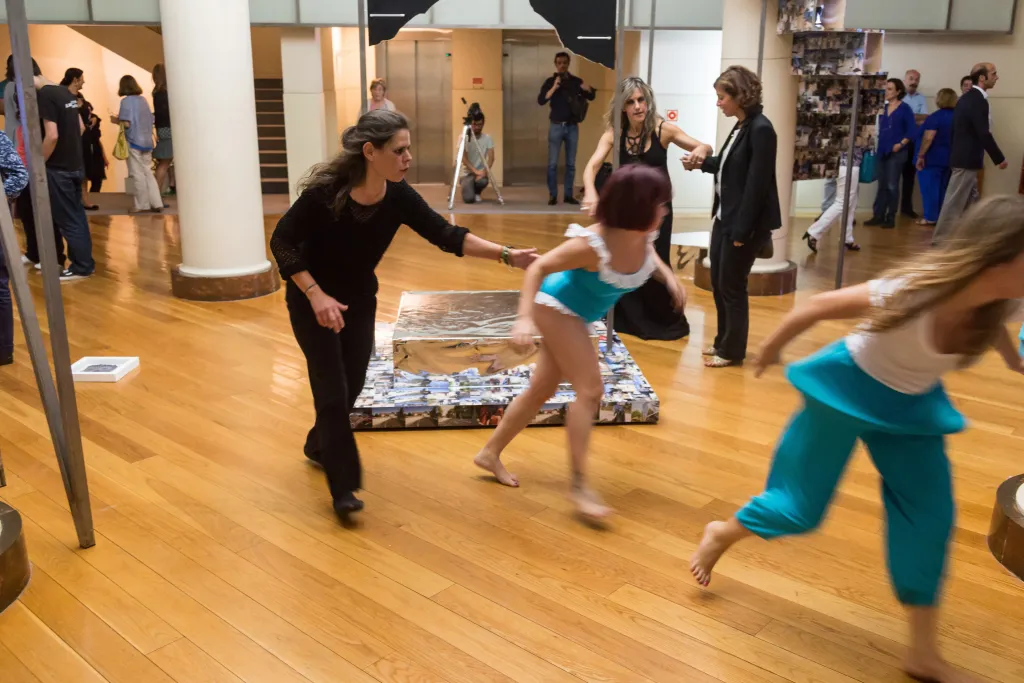
An altar placed within the theatre space acted as the project’s conceptual hub. Certain characters — especially the Widows — were tasked with collecting souls from both inside and outside the venue. These offerings were deposited on the altar, sustaining the ideological presence of Tuti Momo and collapsing distinctions between private belief and public behaviour.
Who wins most souls?
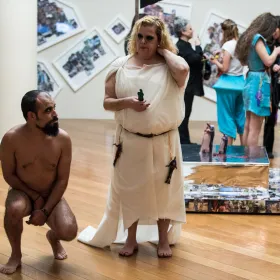
In the final iteration (finissage), all characters interacted within a scene resembling a marketplace. Circulating through the space, they approached one another to sell and buy “souls,” while offerings were placed on an altar dedicated to Tuti Momo. One character, Mind Zero, picked up an offering and began to bite, chew, and spit it out — a gesture that collapsed transaction, consumption, and refusal into a single act.
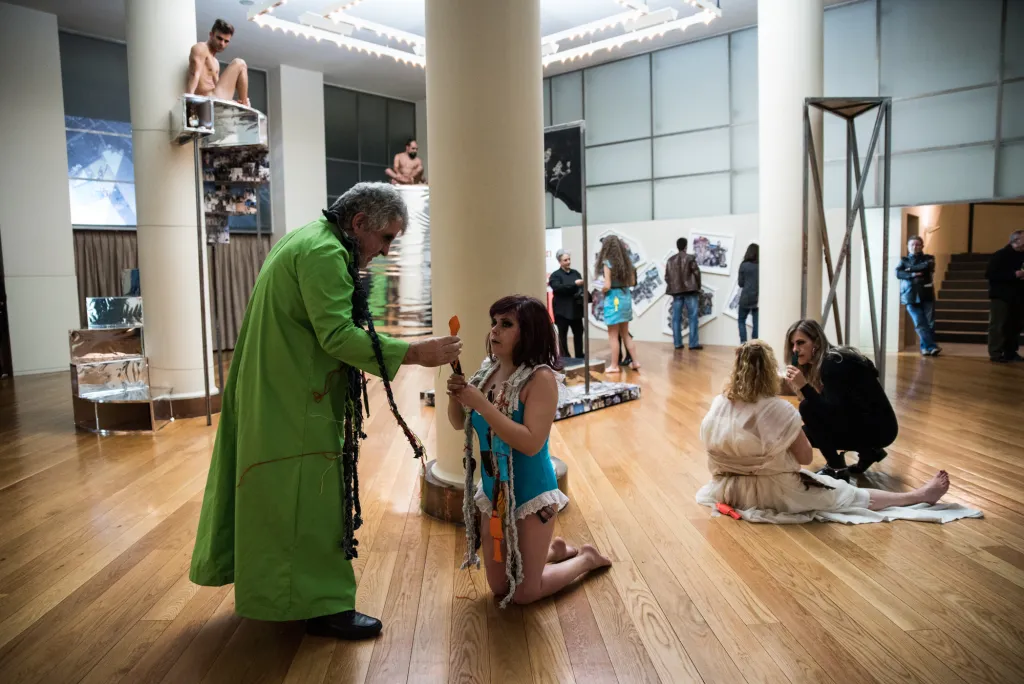
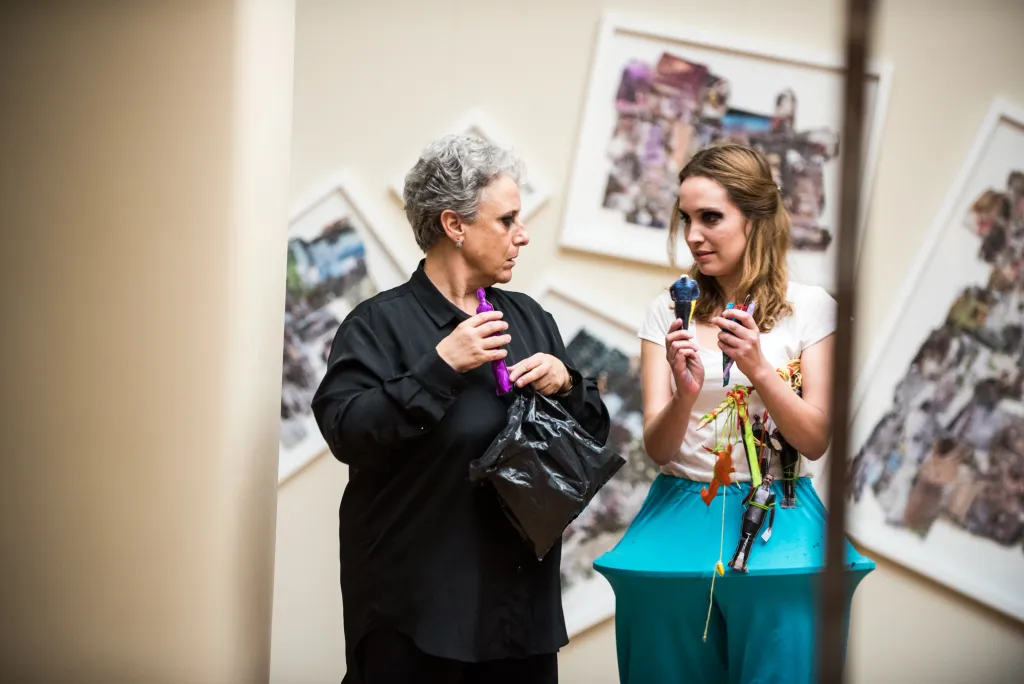

Tuti Momo generated multiple conceptual threads, characters, and modes of mobilisation that later re-emerged in the artist’s studio work. The project stands as a durational social system as much as a performance, where fiction and reality, belief and behaviour, continually intertwine.
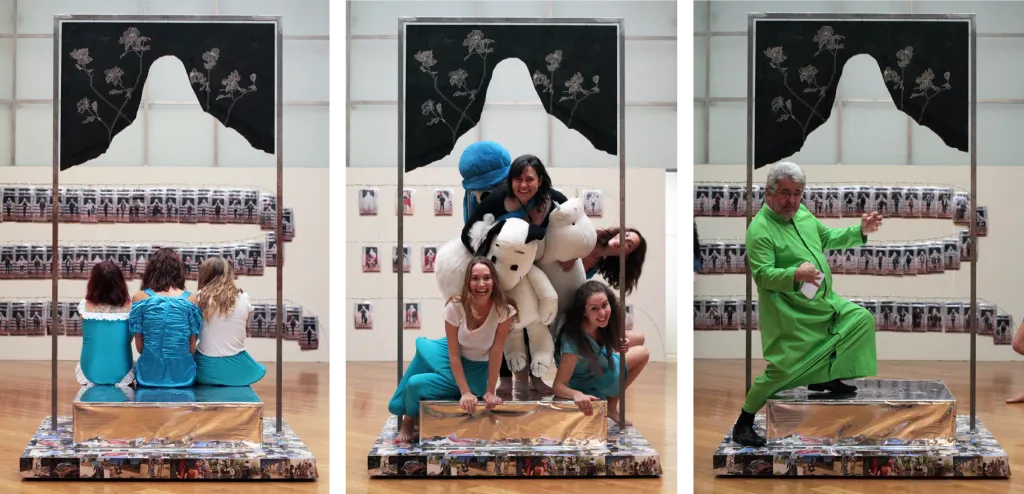
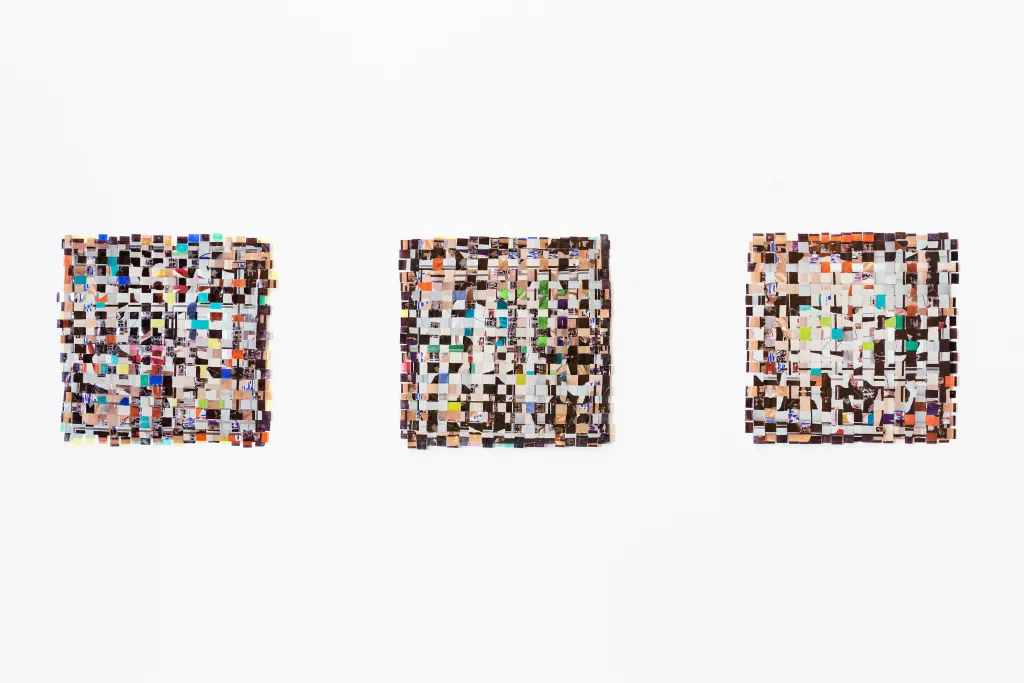
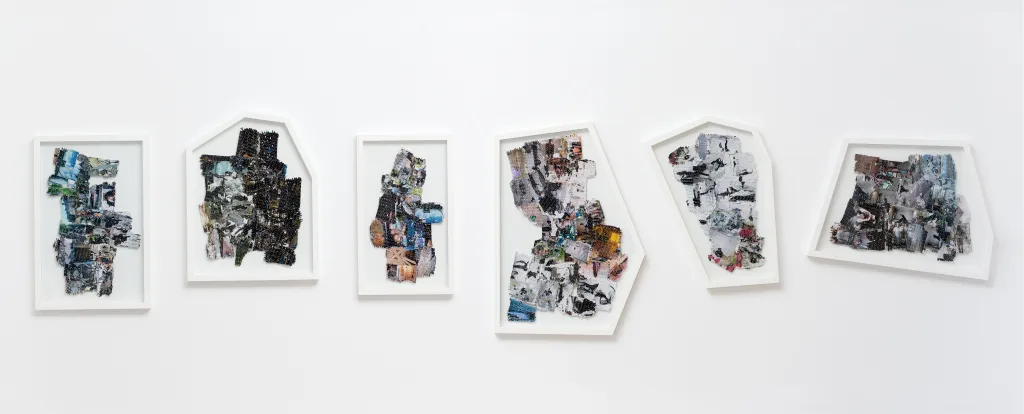
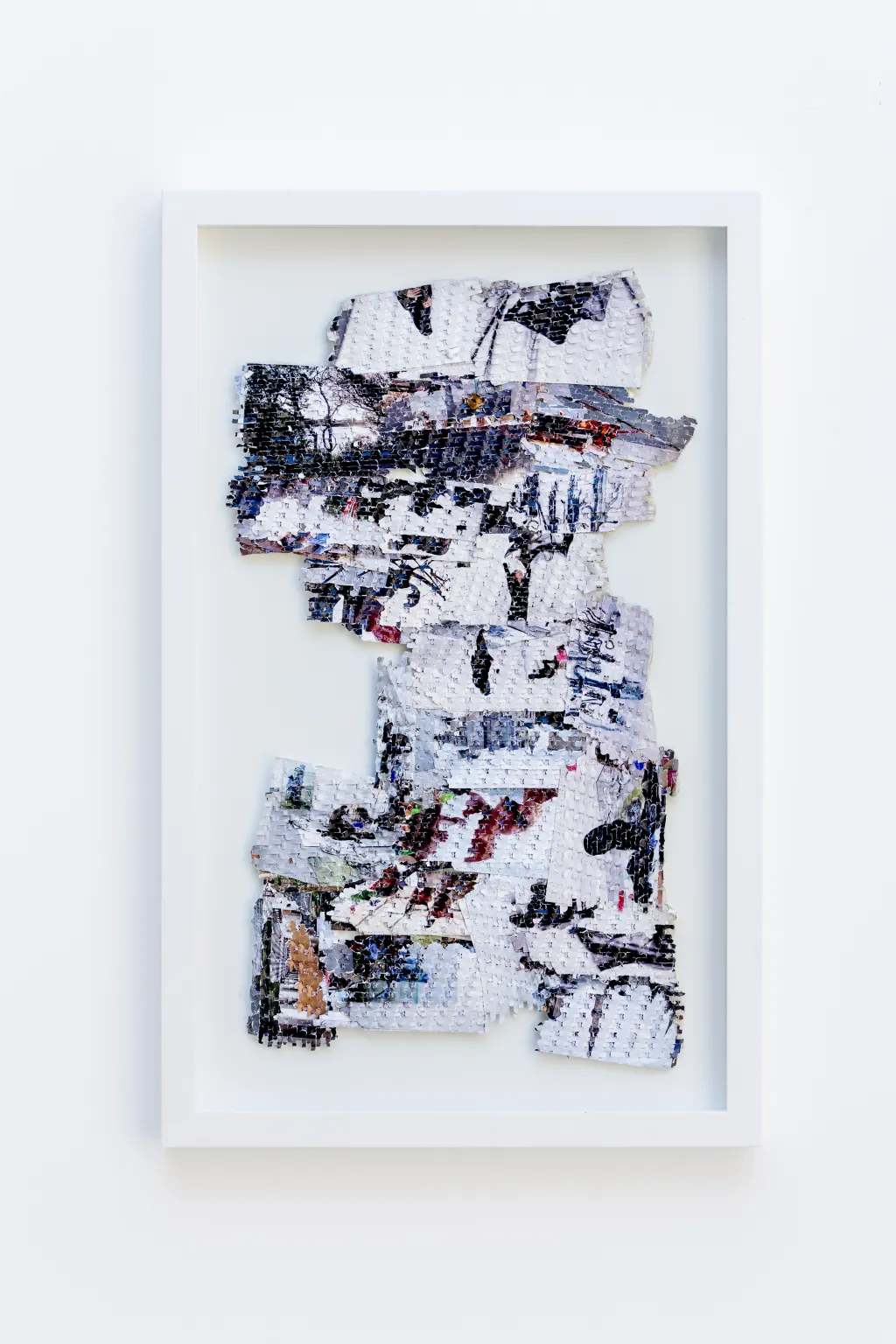
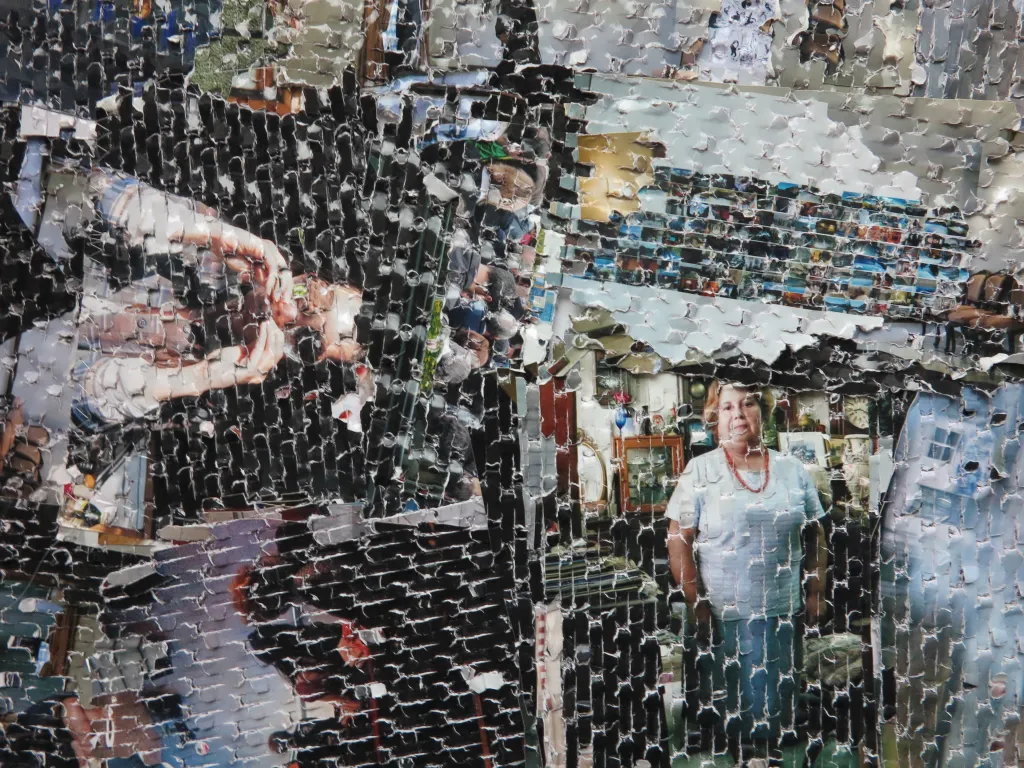
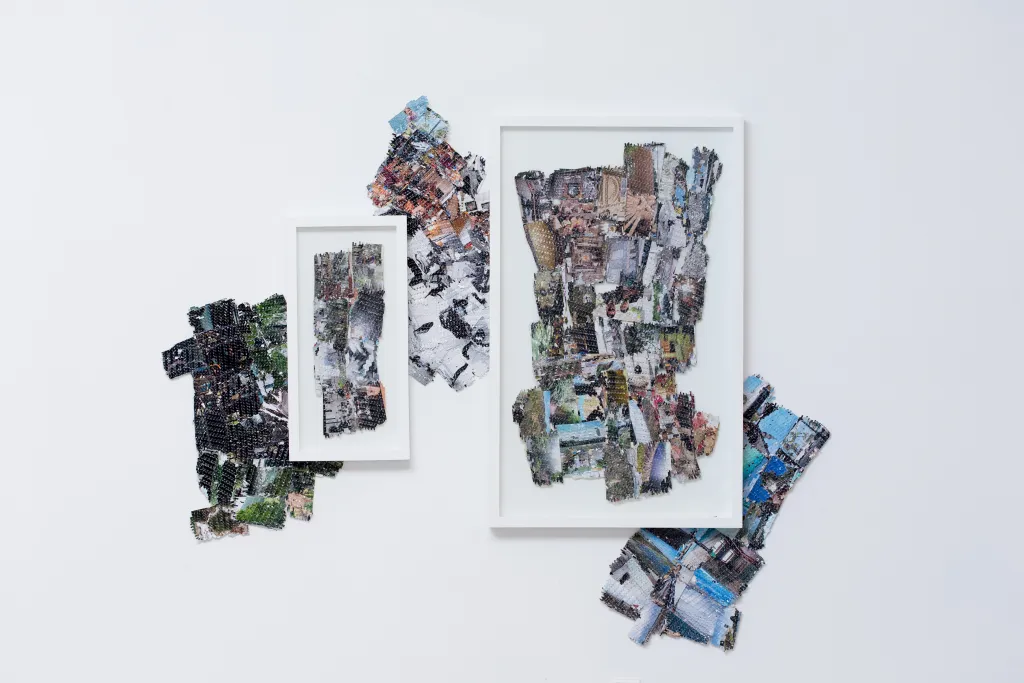
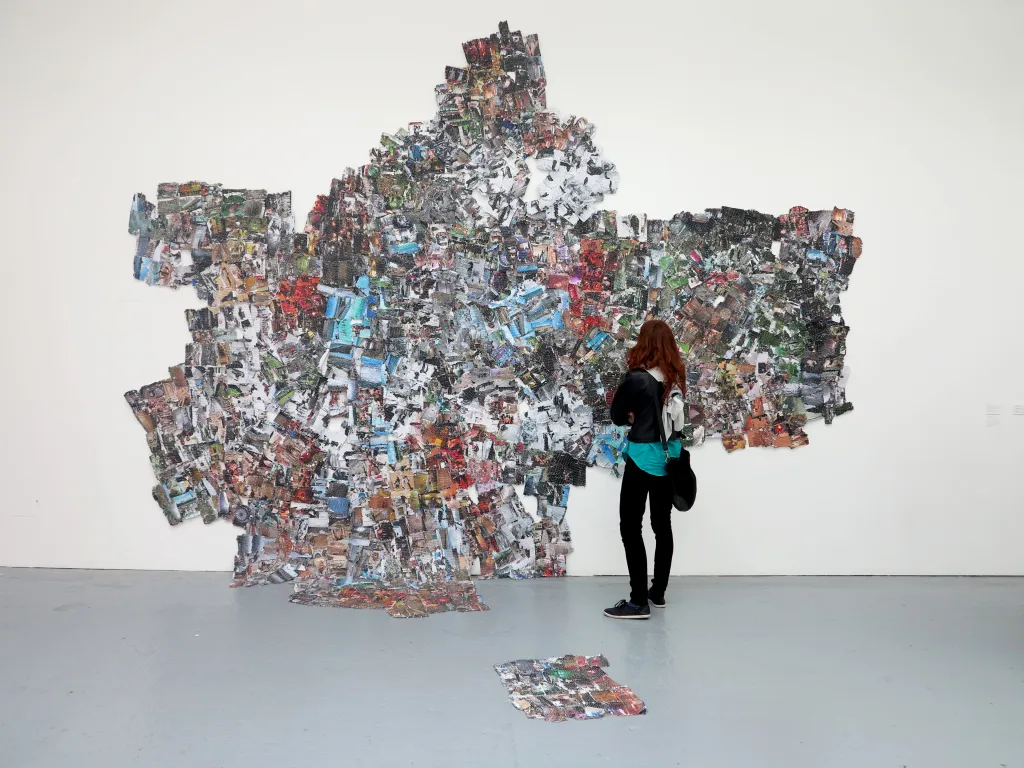
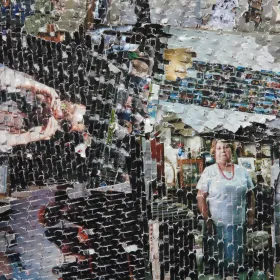
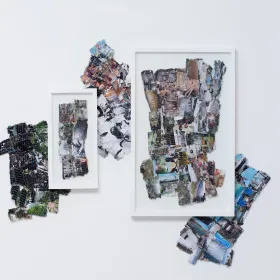
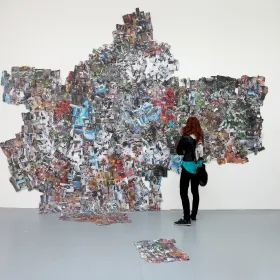
Soul Grinders is an ongoing project that uses the altar photos as the base material. The laminated photographs are rethought and ground into a new form and interpretation, without losing their inicial meaning and symbolism.
| Artistic Direction | Luísa Mota |
| Commissioned by | Teatro Municipal do Porto |
| Co-produced by | Teatro Municipal do Porto |
| Production | Marlene Alberto |
| Production Assistant | Nelson Pereira |
| Documentation | Favo Studio, A Caixa Negra |
| Make-up | Mariana Fonseca |
| Costume Assistants | Sílvia Mota, Cláudia Queirós, João Pedro Fonseca, Abu Baker |