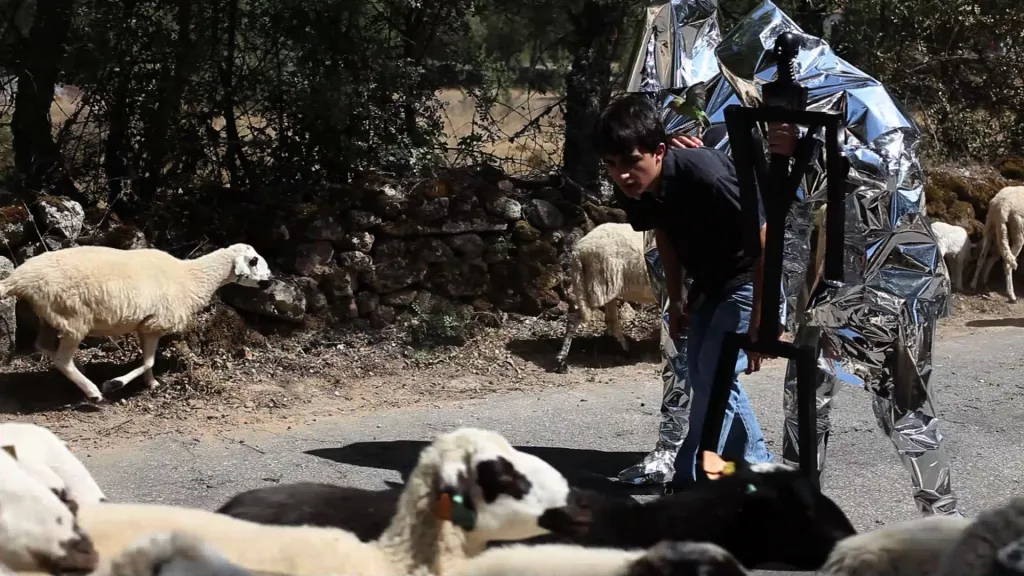
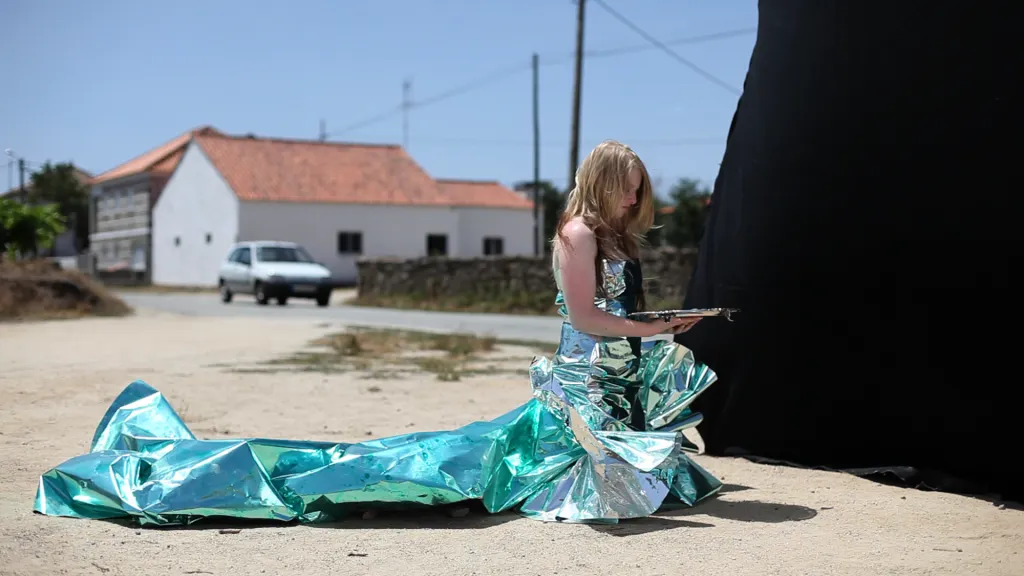
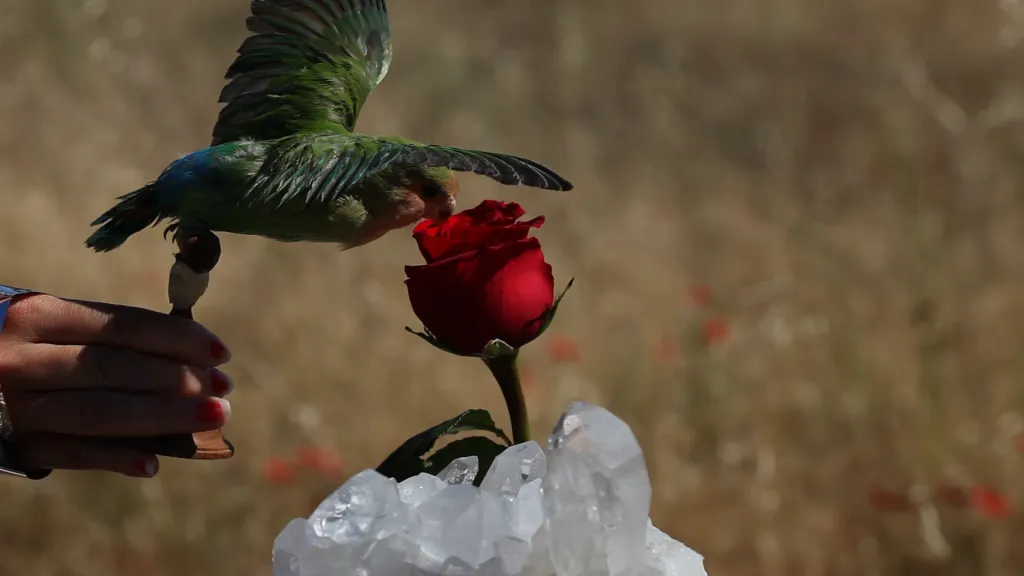
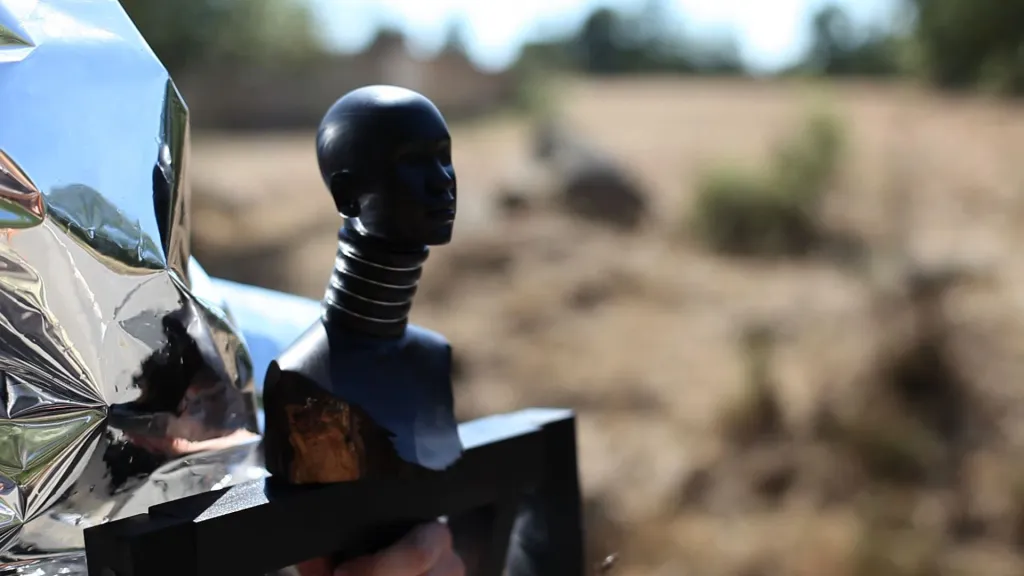
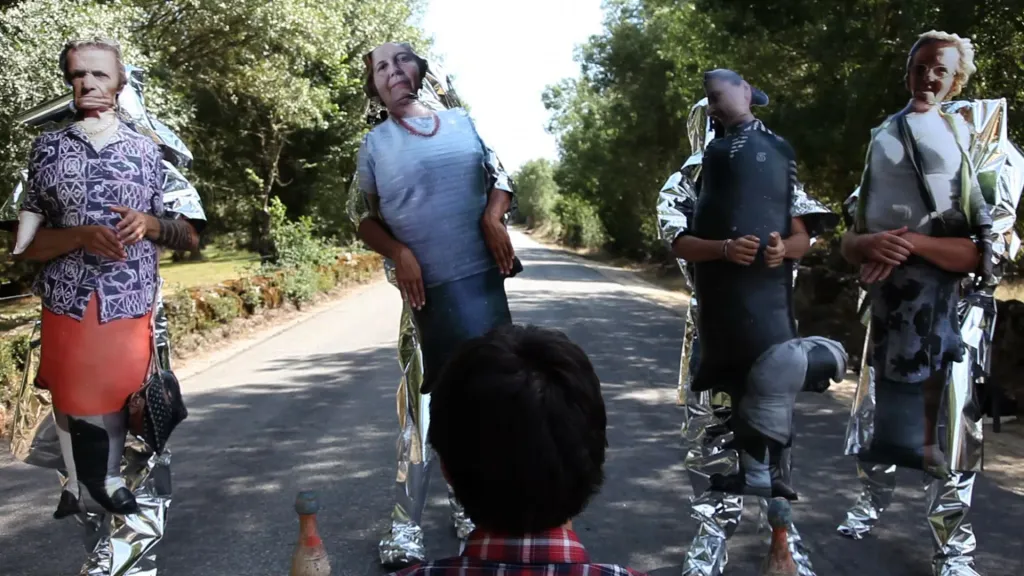
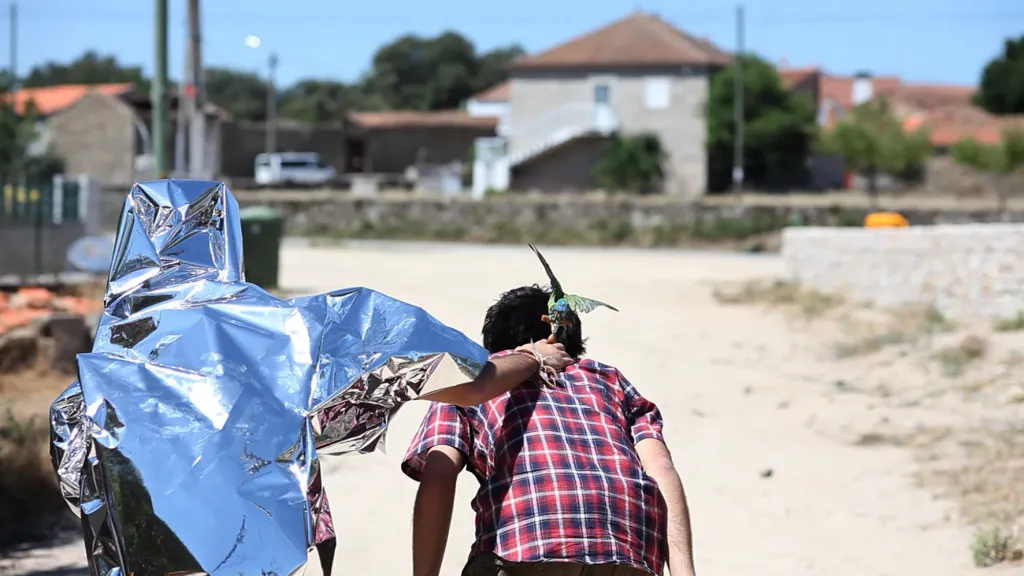
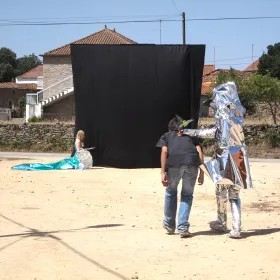
The film centres on Man/Boy, the primary protagonist, who is introduced through a sequence of seemingly inexplicable events. What unfolds is a ritual-like journey that subtly echoes an initiation. Each visual element functions as a character in its own right, shaping and destabilizing the narrative as it unfolds.
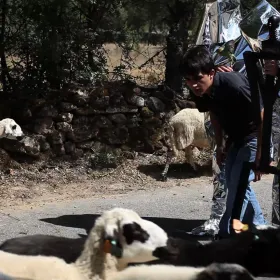
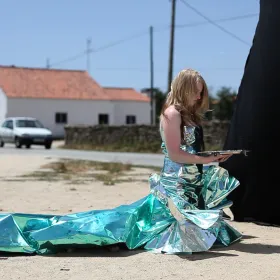
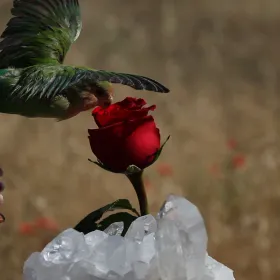
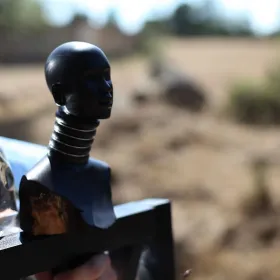

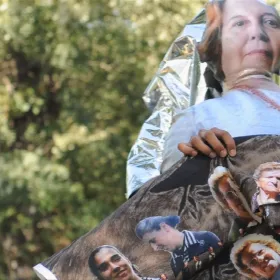
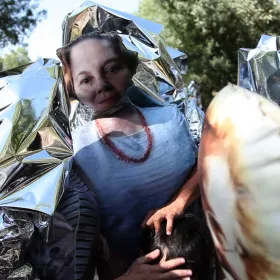
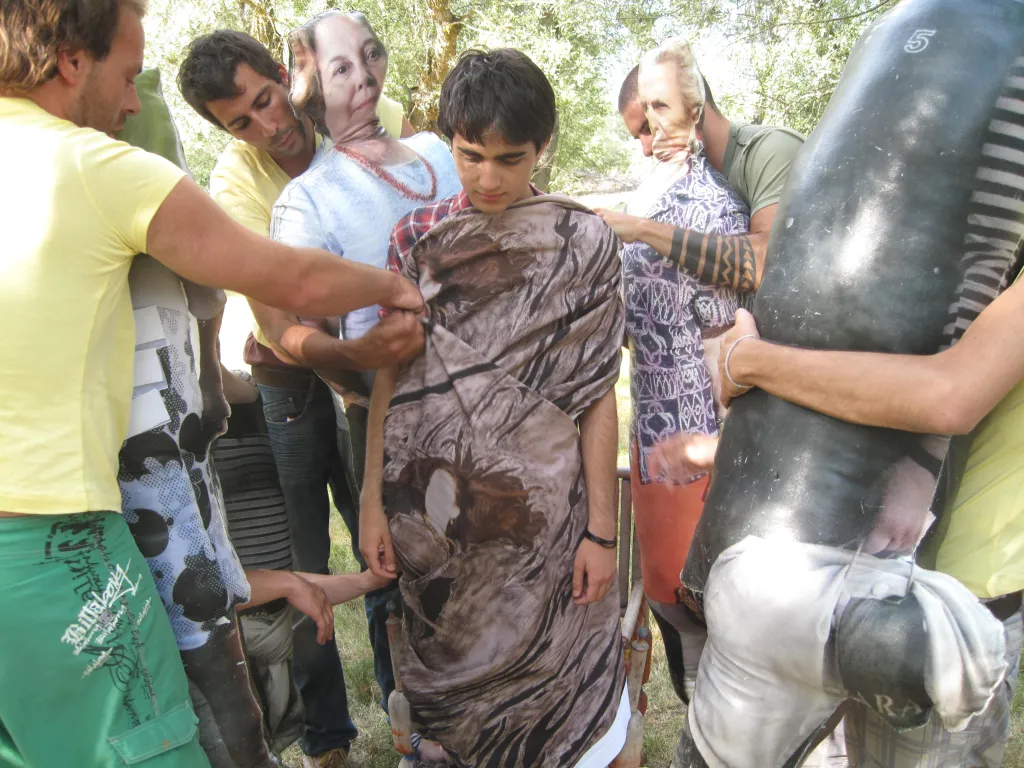
Set in rural Portugal and performed by a cast of friends and local residents (non-professional actors), Perception is Wild is structured as a continuous, uninterrupted performance. Filmed predominantly in long shots and with minimal editing, the work preserves the tension between intention and unpredictability — allowing the environment, the performers, and chance encounters to actively influence the narrative.
Process is central.
In this project, the boundary between backstage and “frontstage” dissolves, creating mirrored oppositions between action and preparation, fiction and documentation. These moments were consciously recorded and later re-activated across other works — as photographs, collages, and material residues applied to textiles and sculptural objects, resembling pagan souvenirs from a ritual setting.
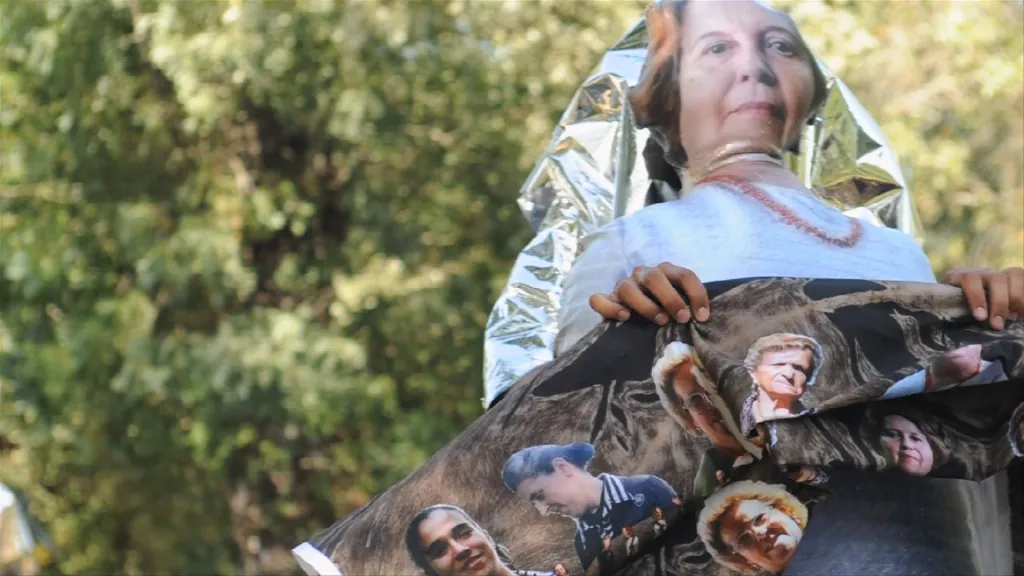
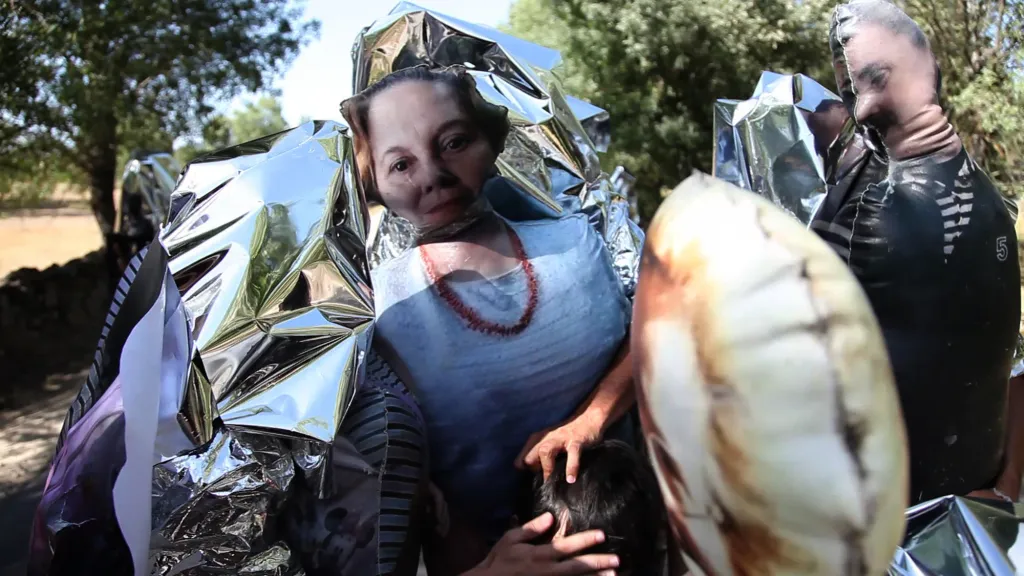
It is within Perception is Wild that the Crystal Beings appear for the first time. Initially operating as prop-assistants and narrative catalysts, they move between characters — particularly alongside the Five Old Ladies — gradually asserting their presence as autonomous agents within the artist’s expanding universe.
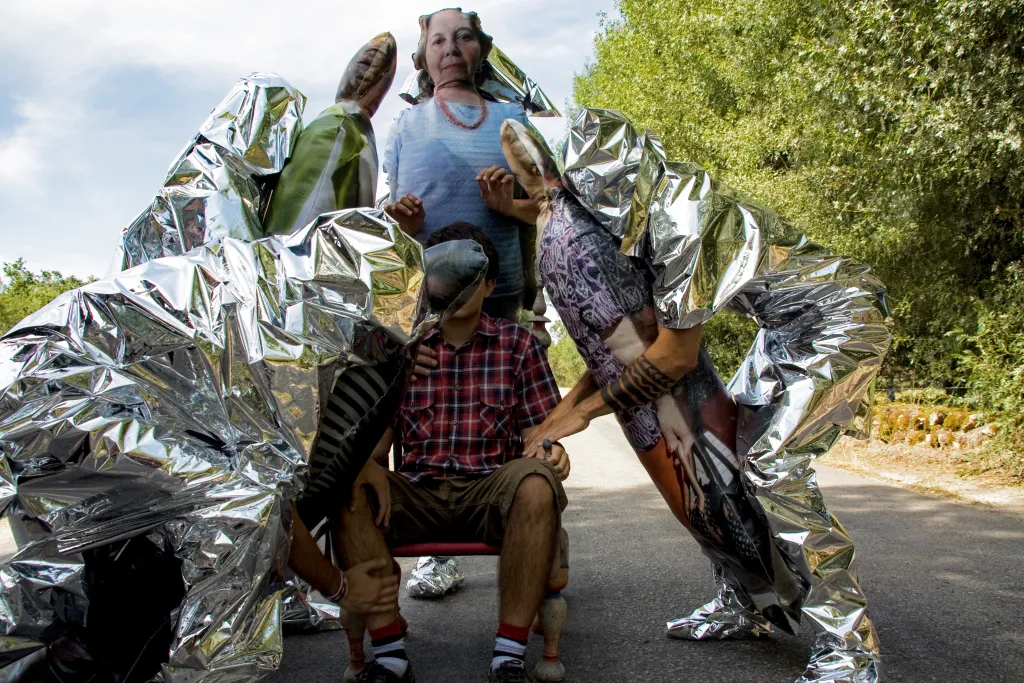
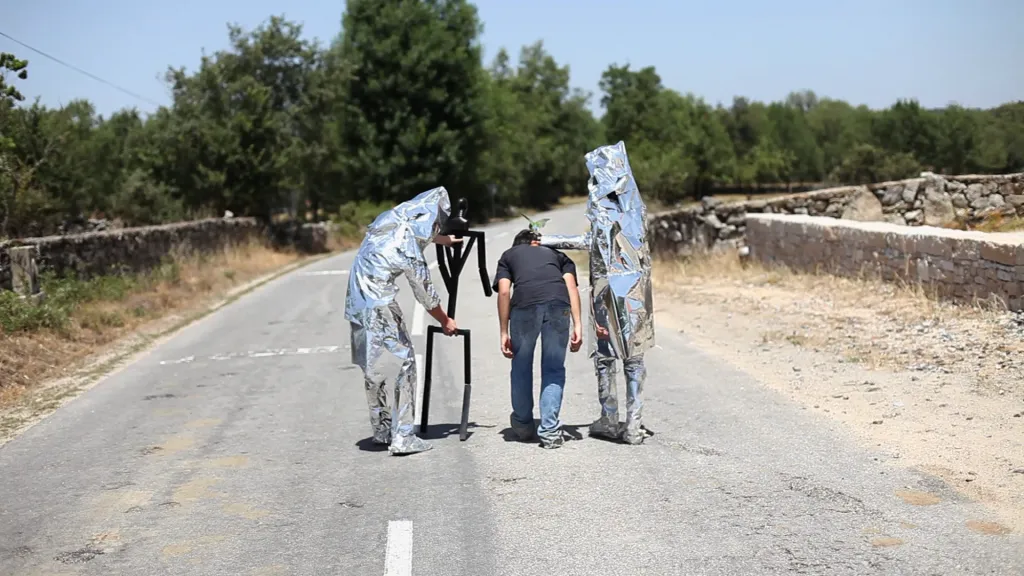
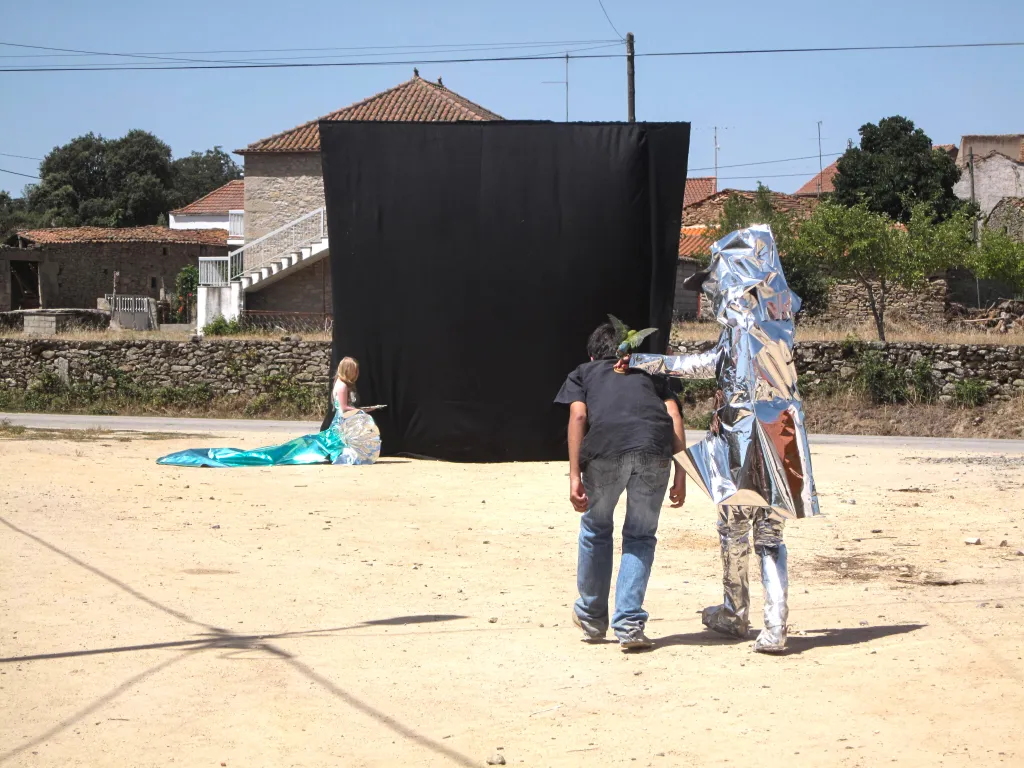
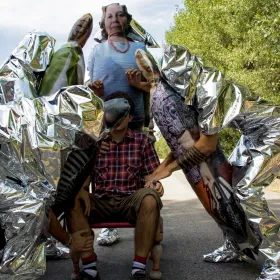
| Man/boy | The archetypal hero, suspended between innocence and agency |
| Crystal Beings | Reflective, fractal entities embodying multiple layers of existential inquiry through material and presence |
| Wise Old Woman | A wisdom whisperer; carrier of embodied and intergenerational knowledge |
| Mermaid | Gatekeeper between worlds and thresholds of transformation |
| Bird | Companion figure (pet), observer, messenger |
| 5 Old Ladies | Living oracles, guardians of the collective unconscious |
| Crowd | A collective body in synchronicity and shared resonance |
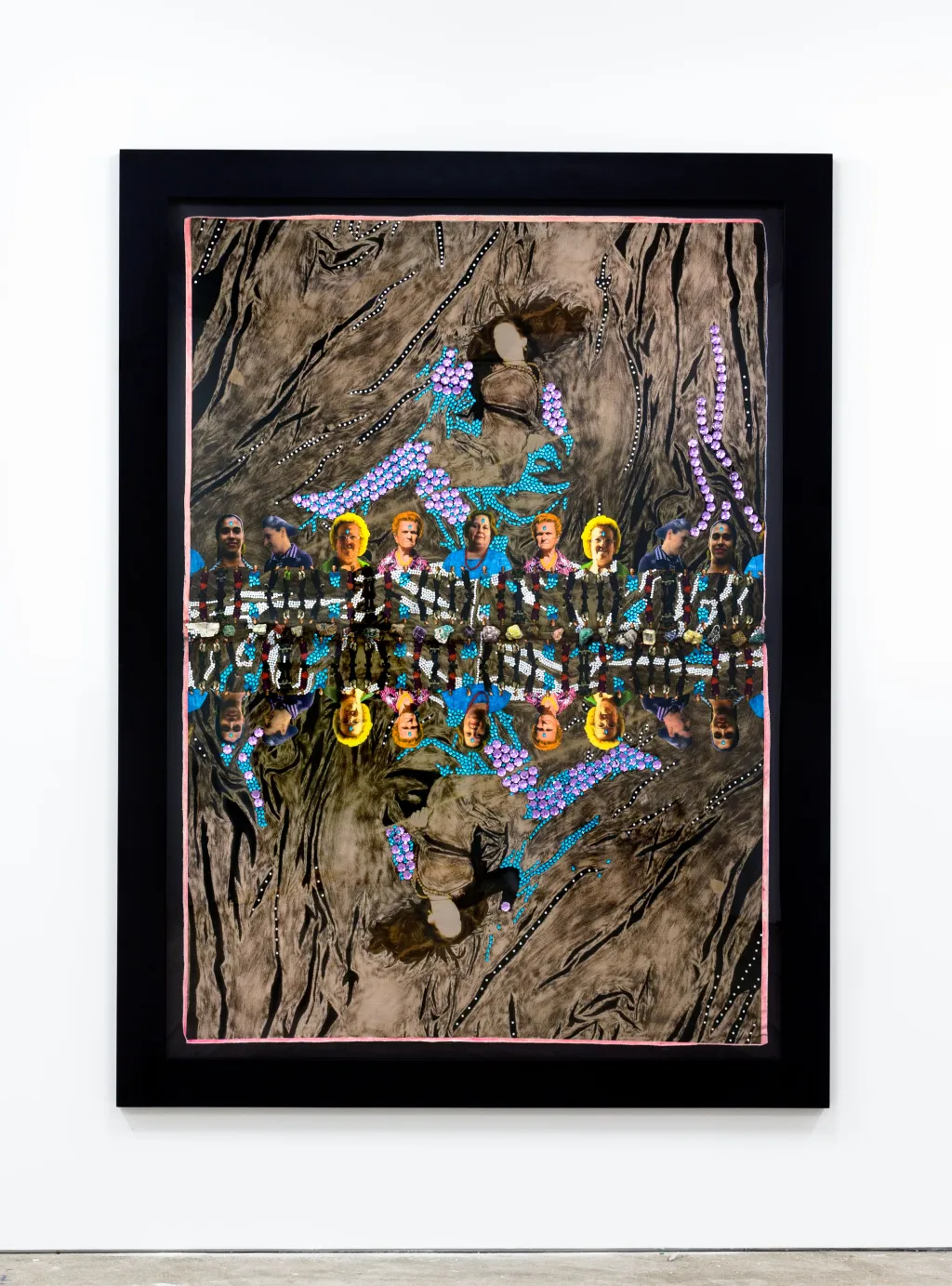
Man/Boy’s Mantle Piece is the final garment worn by the protagonist in Perception is Wild. Emerging directly from the film, the textile work marks the transition from performance to material object.
Conceived as a residue of the ritual-journey, the mantle retains traces of movement, gesture, and narrative transformation. Rather than functioning as costume, it operates as a sculptural textile — carrying the memory of the body that inhabited it and anticipating later practices within the artist’s work, where performance outcomes are reactivated through material form.
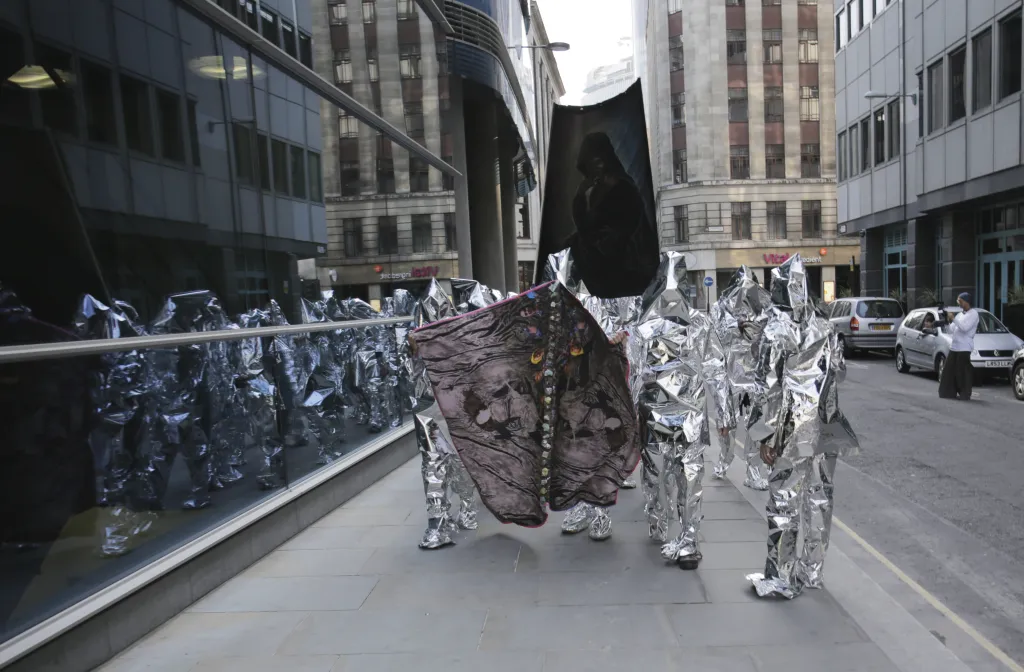
Man/Boy's Sacred Mantle Piece summarizes Luísa Mota's relationship between her work and her artistic universe of characters. Initially introduced in the the video 'Perception is Wild' (2009), the mantle has since reappeared in different actions and sequels. It is carried by the Crystal Beings to cities such as London in 2013 (I Believe in Good Things Coming). Gradually developed over a period of several years, the mantle was produced using digital printing on canvas, in a succession of layers, forming an amalgamation of complex elements, based on a process of painting with markers. Designed to be worn on the body, crystals were added to the mantle at a later period, which thereby expanded the energetic traces that the material itself preserves.
The first short film belonging to Anti-house. Written, directed and edited by Luísa Mota with sound and music by Dimitri Grimm. Filmed in Pena Branca, Portugal.
| Written and Directed by | Luísa Mota |
| Edited by | Luísa Mota |
| Sound and Music by | Dimitri Grimm |
| Production | Marlene Alberto |
| Photography | Ricardo Lemos |
| Assistant Editor | Anna Meller |
| Co-producer | Rui Azevedo Quintas |
| Production Assistant | Ângelo Sousa |
| Assistant Director | Nelson Pereira |
| Art Direction | Teresa Santos |
| Camera Assistant | Anselmo Teixeira |
| Insider Camera | João Carujo |
| Outsider Camera | Dário Cannatà |
| Mermaid Outfit by | Jordann dos Santos |
| Set Constructor | Zé Artur |
| Graphics by | Dário Cannatà |